
THE RESURRECTION CHURCH AND SCHOOL
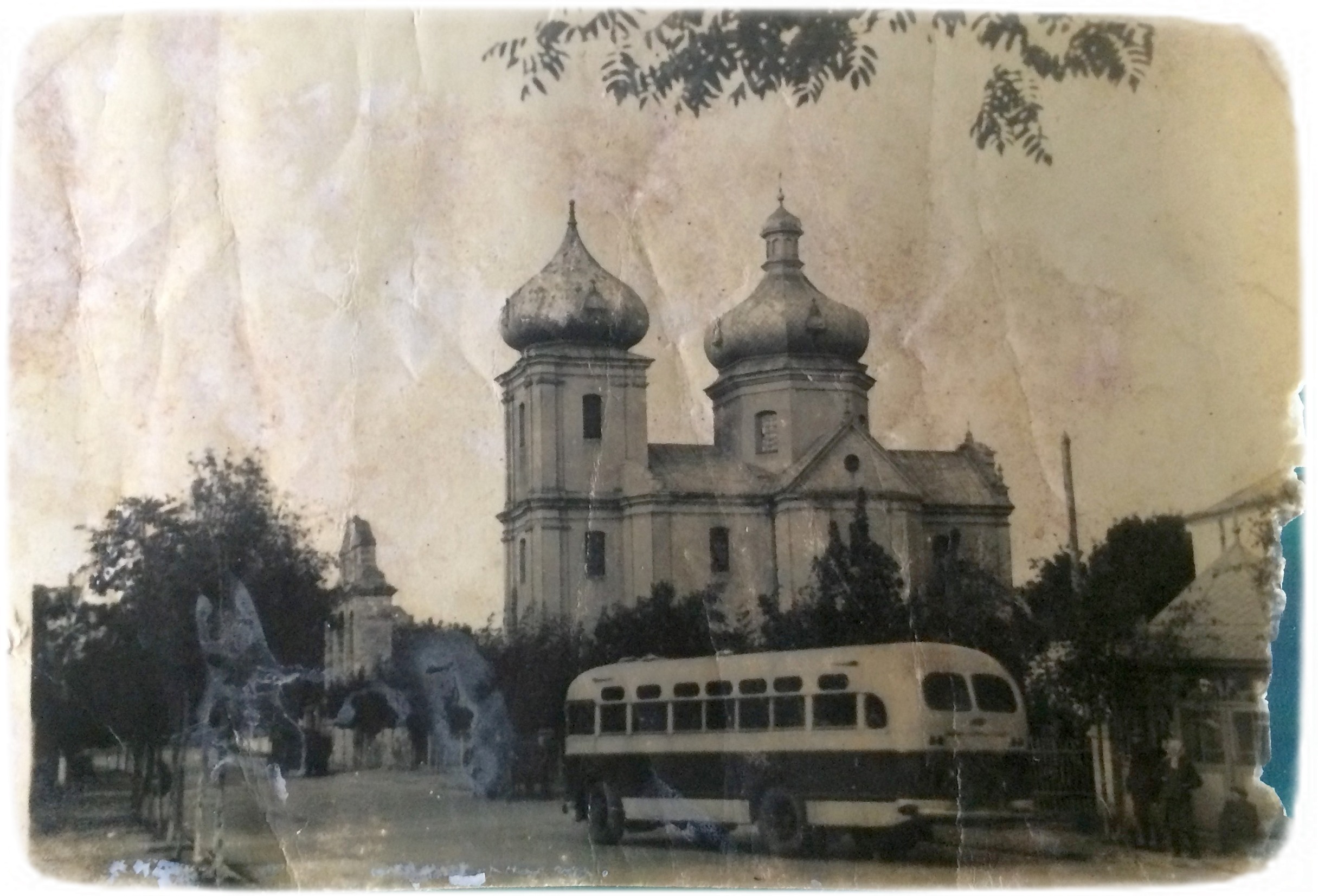
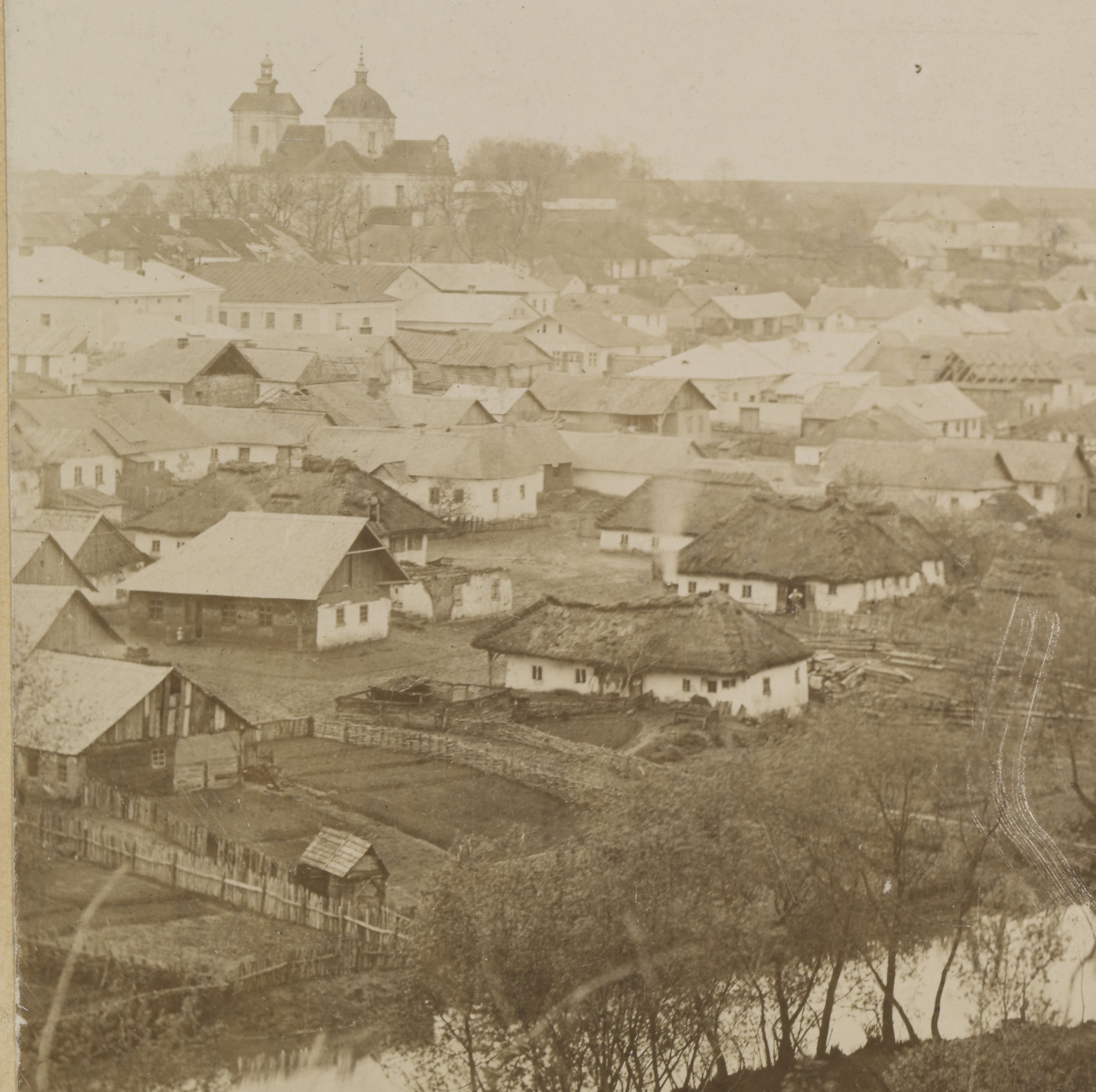
According to Spiritual Sanctuaries of the Zbarazh Region (2008), “On the site of the old church in 1760, the townspeople of the suburb (now D. Halytskyi Street), shoemakers, and hired workers began constructing a large stone church. The founder of the Greek Catholic sanctuary was the Zbarazh townsman—shoemaker Hryhoriy Hymenyuk. However, due to his untimely death, the construction was not completed. The church was finished by Mykola Potocki in 1764.”
Zbarazh resident and bishop Ivan Prashko, in the Schematism of various years, cites the same date in the two-volume edition Zbarazh Region: “Resurrection (‘large’) [church]—1764.” The inventory compiled by the parish priest and dean Father O. Zayachkivsky on June 7, 1901, confirms this date but apparently misidentifies the founder, who was born in 1788: “Under the patronage of the RESURRECTION OF CHRIST, built of stone—roofed with shingles. Located about 350 meters from the parish residence. Built in 1764 at the expense of the community with the assistance of Voivode Franz Potocki. After restoration, internally consecrated on 20/9/1880 by the late Bishop Sylvester Sembratovych. Canonical visitation on 7/2/1882 by Metropolitan Josyf Sembratovych. Six altars: 1) Resurrection of Christ; 2) St. Nicholas; 3) Crucified Jesus Christ; 4) Jesus Christ in the city…; 5) St. Barbara; 6) Saints Cosmas and Damian. Church in good condition. Roof damaged. A new shingle roof approved.” In another version of the same inventory (07/06/1901), the roof is described as “covered with sheet metal.” The feast day is celebrated on Christmas of the Blessed Virgin Mary. Parishioners: Greek Catholics 2212 (crossed out) 1108; Latin rite 3336. Latins belong to the parish of Zbarazh—church administered by the Friars Minor (Franciscans). Protestants: 4. Jews: 2916. Taverns (“shynky”): 32. Records begin from 1785. All books are publications of Lviv and Pochaiv. A house was built in 1886 of brick, shingled. Six rooms in good condition, except for two barns and a granary in poor condition, secured in the “Dniester.”
Lviv researcher Vasyl Laba, in his own translation of the 1784 Visitation Act of Zbarazh Churches, names the patron of the church as Mr. Wincenty Potocki, Crown Under-Chamberlain. At that time (1764) he was only 24 years old, did not own Zbarazh, and never held such a position. Evidence of the origins of the wooden Resurrection Church is found in the protocol written in Zbarazh, August 13–29, 1700, “General Visitation of Zbarazh City Churches of the Protopresbytery and the report of the official of the Volodymyr Union Diocese, Father Daniil Korytynsky, on inspecting local churches for conversion to the unity with the Roman See,” which mentions “Reverend Father Hnat Suzansky, who has a schismatic priest as assistant.”
The 1784 visitation act states: “…the church was founded on April 26, 1764, on the old site and is being built at the expense of the parishioners. Entirely masonry, walls completed, no vault over the narthex, windows yet to be finished, two foundations with incomplete vaults.” The act concludes with a decree from the Galician Cathedral Chancellor, Father Oleksa Hankevych: “…at the parish priest’s own expense, especially the still unfinished vault over the narthex, complete and secure for the laborers and faithful in the Lord, so that they continue to care for its completion.” Thus, twenty years after the official construction date, the work was not yet finished. Therefore, the construction of the masonry Resurrection Church in Zbarazh was completed after 1784, although services were held from January 14, 1777, “in the sacristy on both sides, with the bishop’s permission,” and the note “being built at the parishioners’ expense” indirectly refutes the participation of the Potocki family.
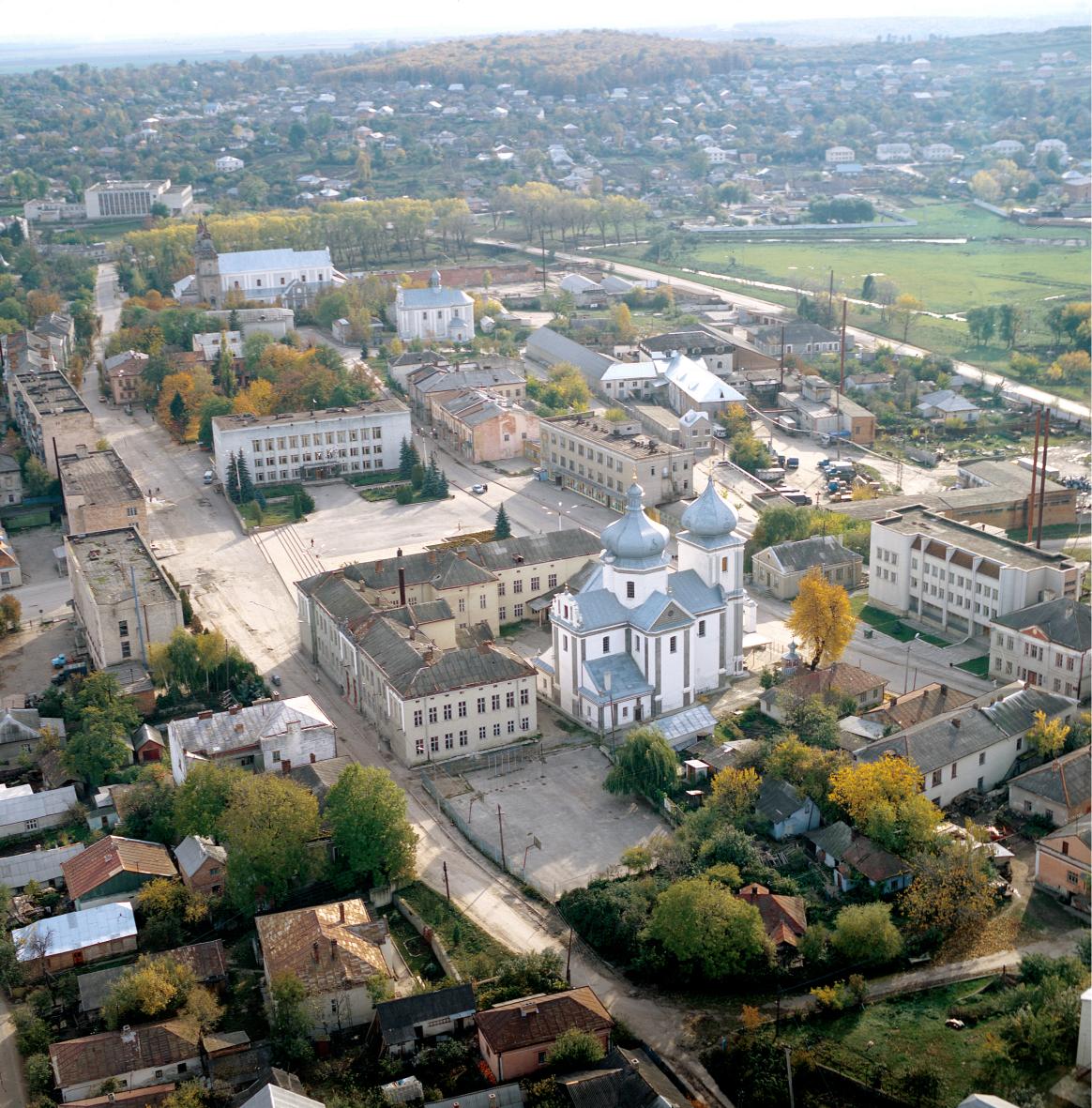
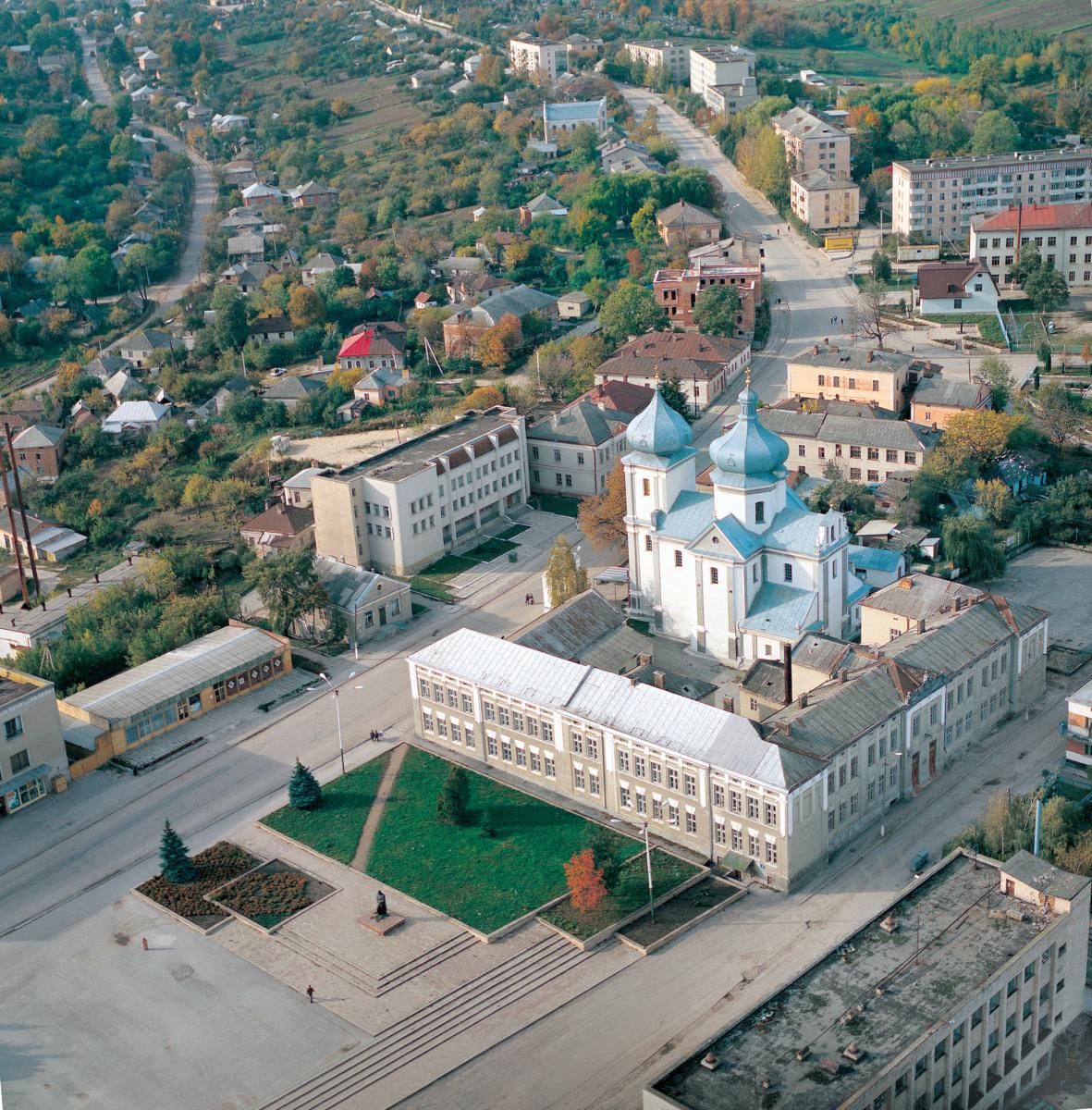
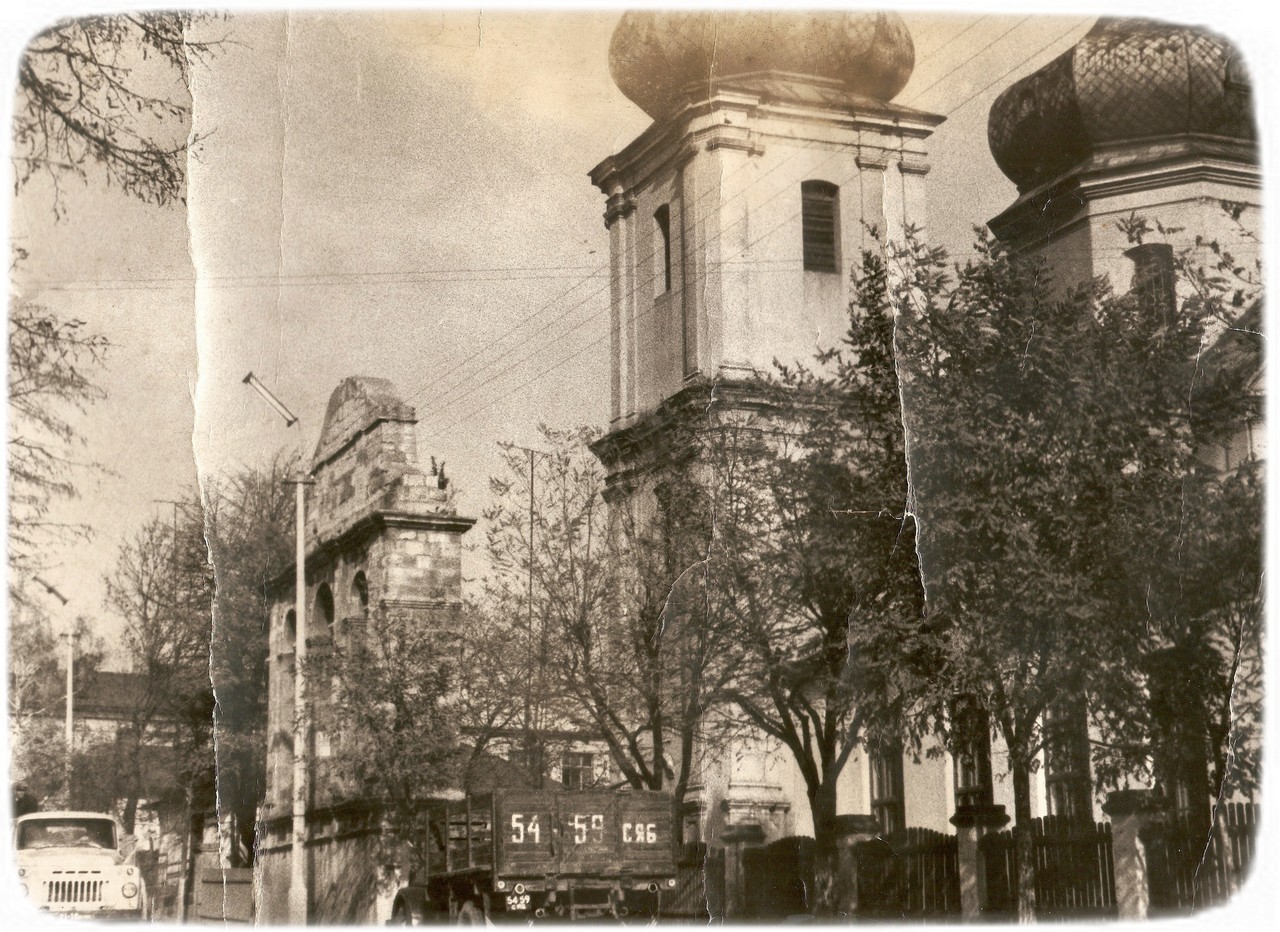
In 1933, Father Bolinovsky carried out restoration work: installation of electric lighting, new mosaic flooring (tiles imported from the Czech Republic), and restoration of the fence. In 1960, the church was closed. It was planned to convert it into a school boiler room, but it was ultimately used as storage for sports equipment, banners, and inventory. Only in 1989 did the Zbarazh District Executive Committee return the church to the faithful, and restoration work began, lasting until 1990. From November 1989, the church was re-consecrated by Father Roman Vodyany. In 1992, Father Oleg Yuryk became the church assistant, and in 1993, Father Hryhoriy Ednorovych became dean and parish priest. Currently, the church is headed by Father Oleksiy Bodnarchuk, with Father Omelyan Kolodchak as assistant.
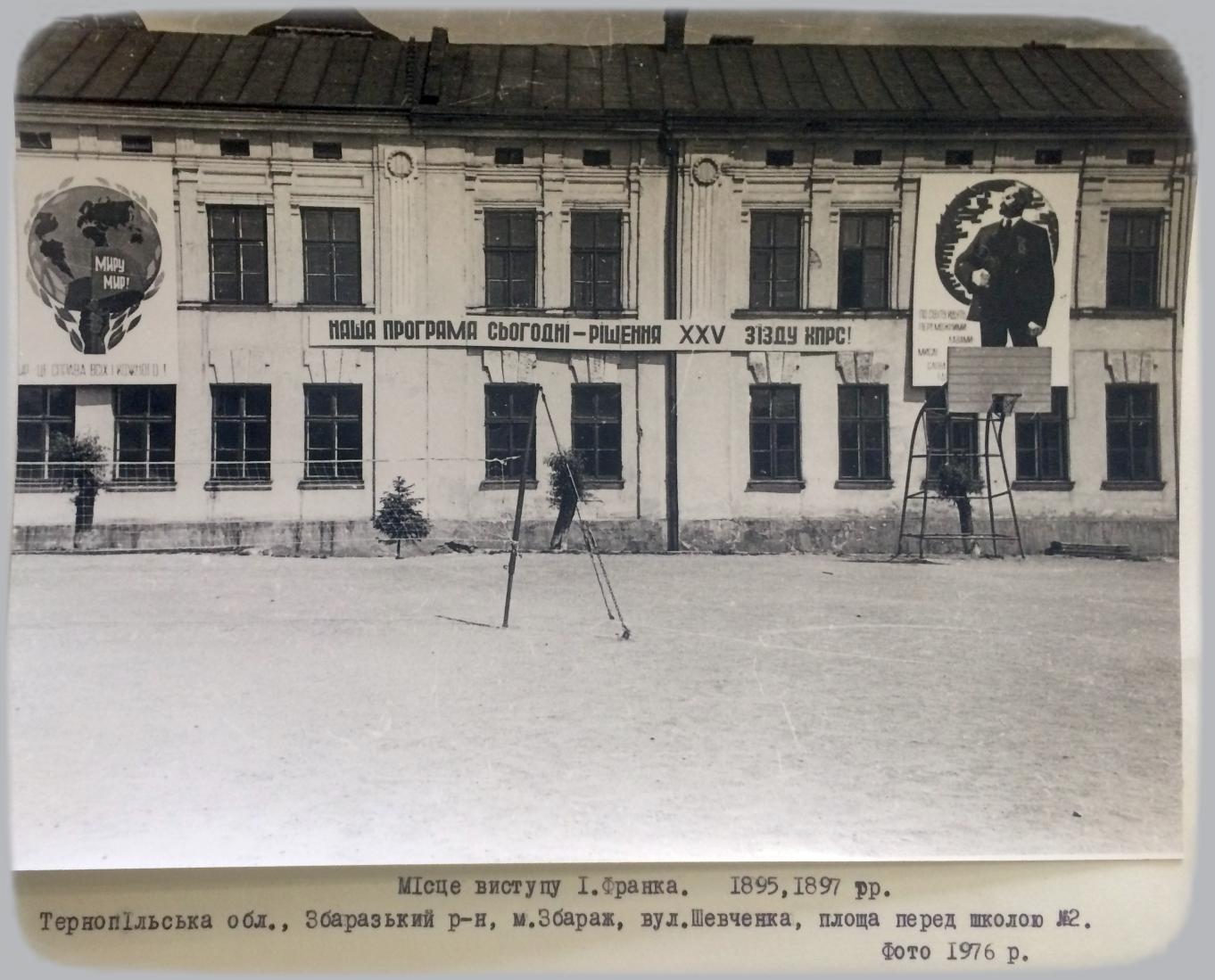
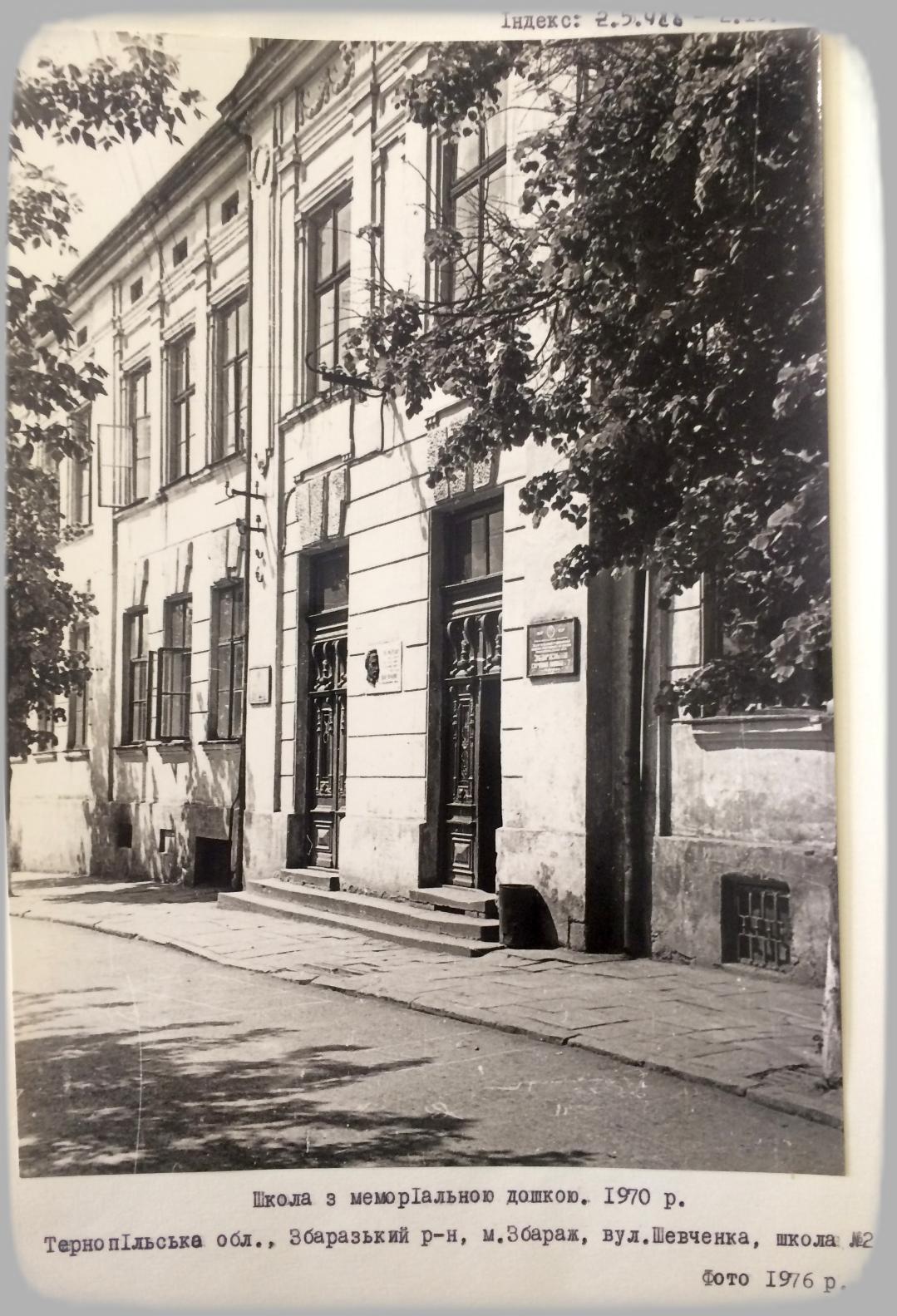
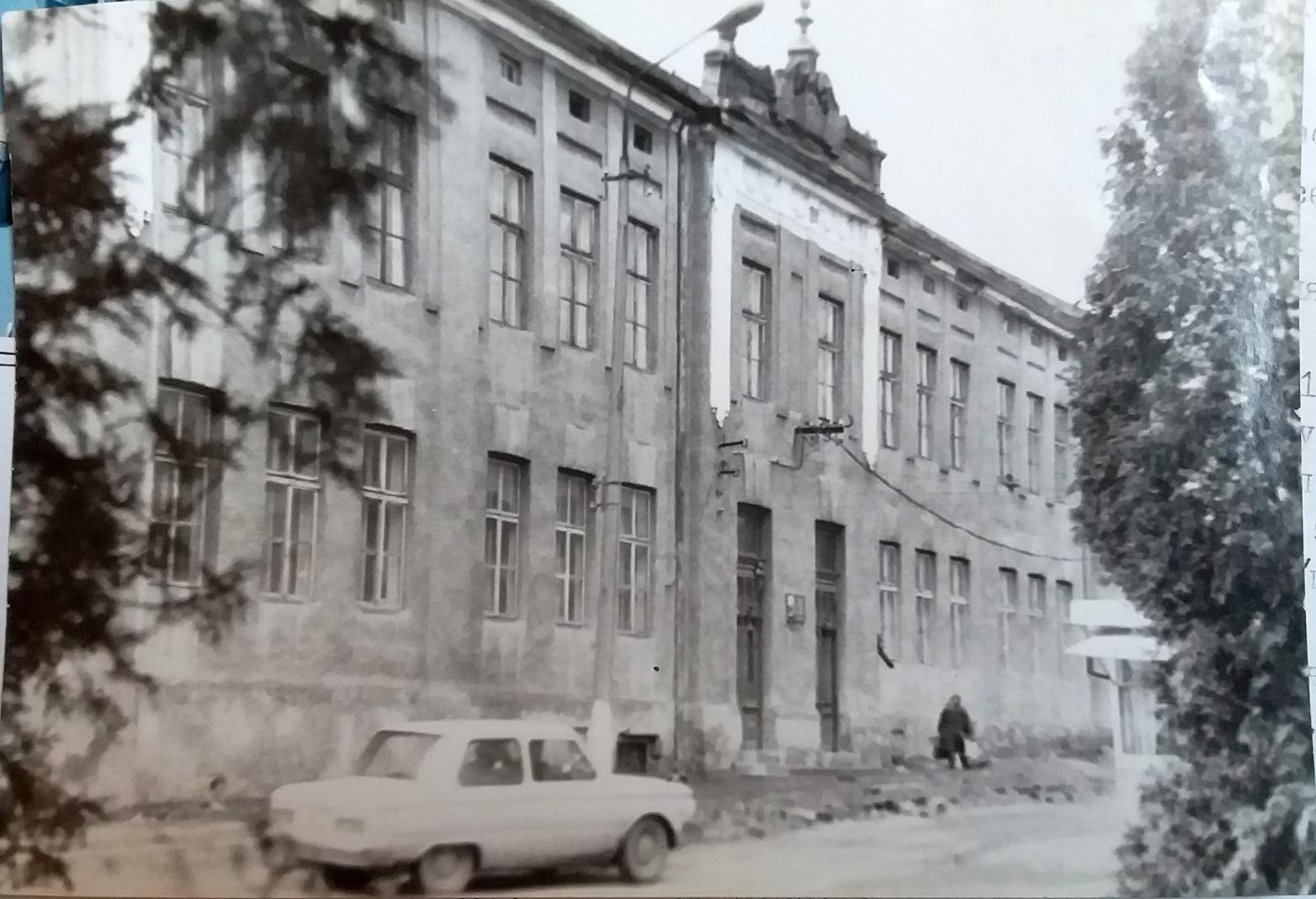
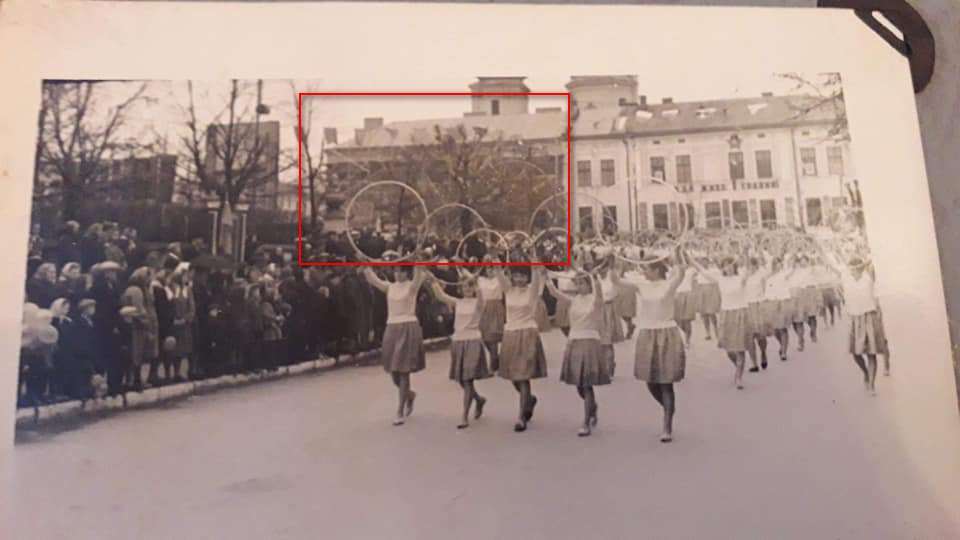
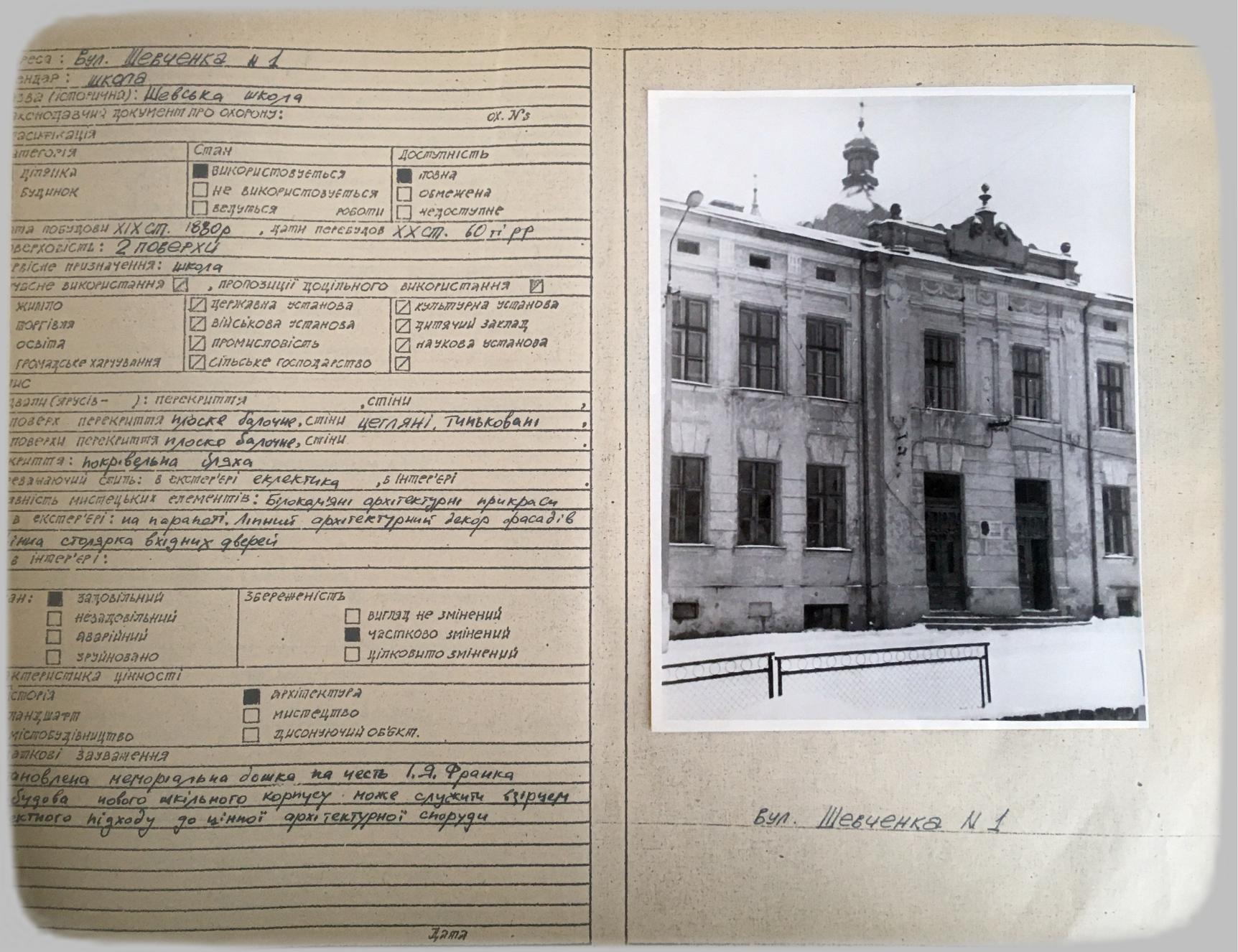
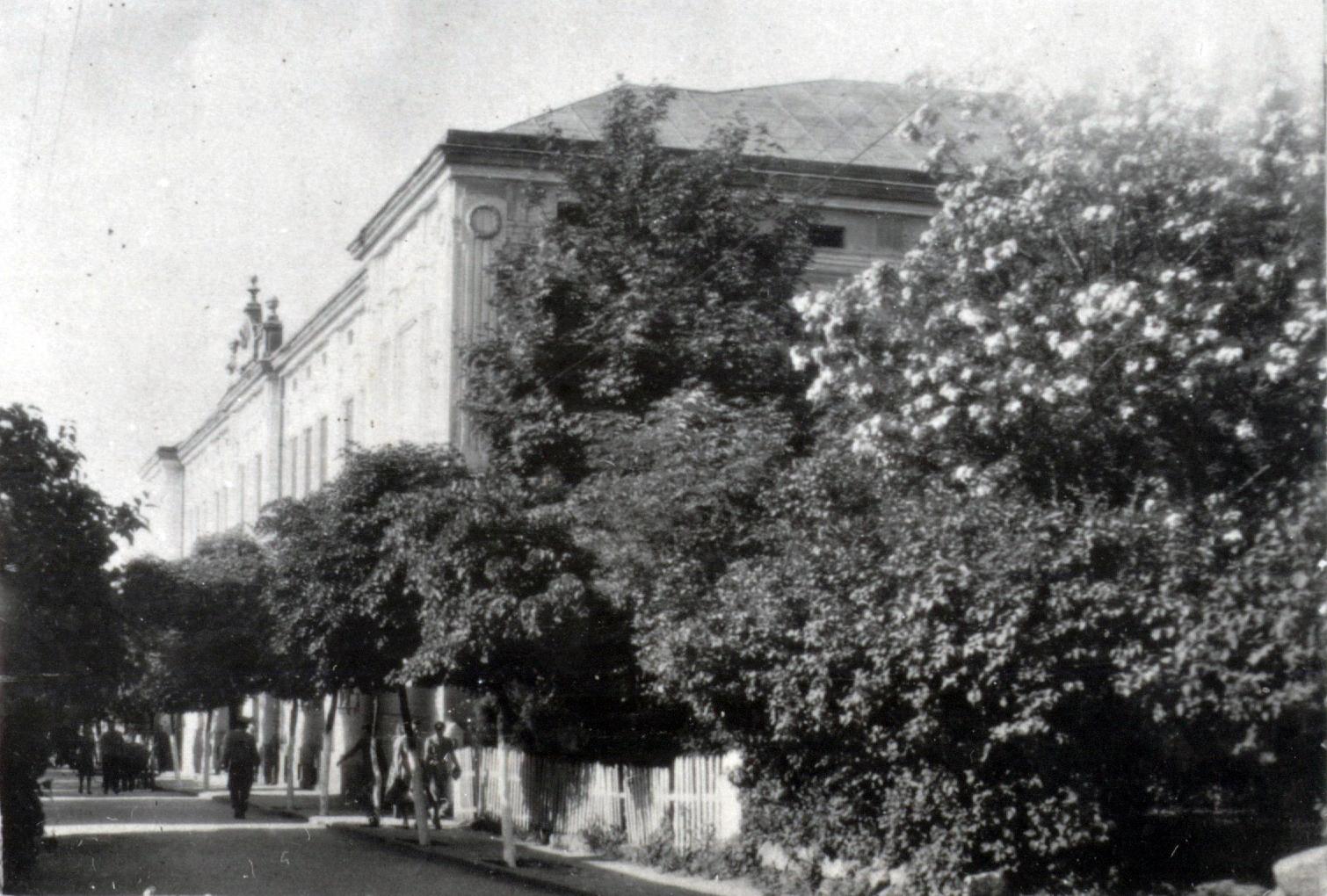
On the eastern and southern sides, the church is surrounded by a school, built between 1899–1902. A memorial plaque on the central facade reads: “On the square near the school on December 25, 1895… Ivan Franko performed,” likely referring to the area near the future school, specifically near the “Yuda Engel tavern.” At the beginning of the 20th century, until World War I, the school was named after J. Skrzetuski, considered a general (public) 6-class school, divided into male and female sections. The first director was Józef Iwaszkiewicz, the second—Franciszek Kanas. From 1914 to 1917, the building housed a Russian army military hospital. In the 1920s–1930s, the school became a 7-class institution with 1,168 students: 453 Polish, 338 Ukrainian, 337 Jewish. After World War II, School No. 2 was named after Ivan Franko, and in 1960–1963 the western wing was added (late 1960s—gymnasium). In 1982, a Lenin monument was built on the sports ground in front of the school (renamed to Ivan Franko in 1992). In 1987, the school moved to a new building on V. Chornovil Street. Currently, the building serves as part of Zbarazh Lyceum No. 1 for primary education.