
THE DEFENSIVE CHURCH OF THE TRANSFIGURATION OF THE LORD
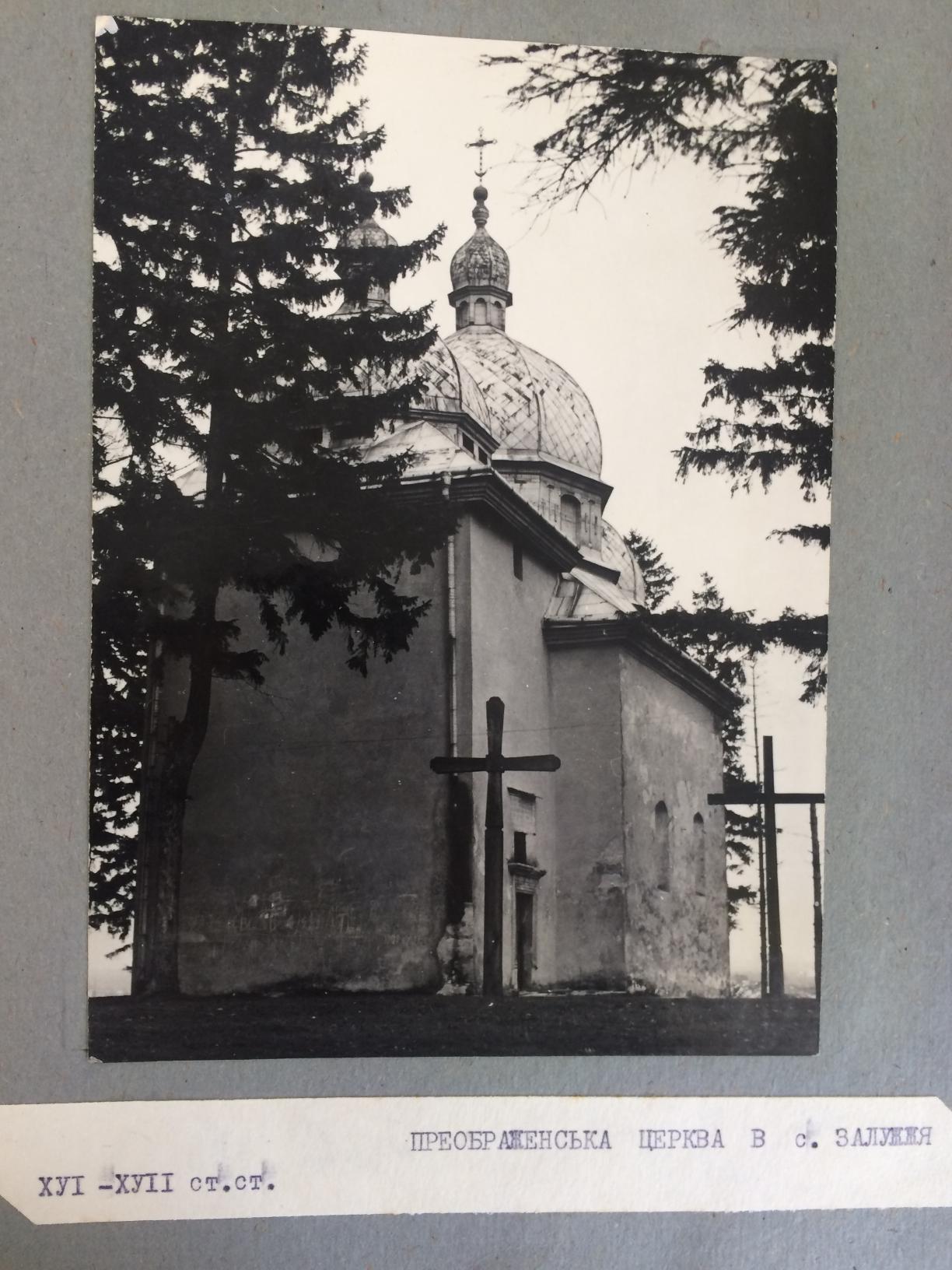
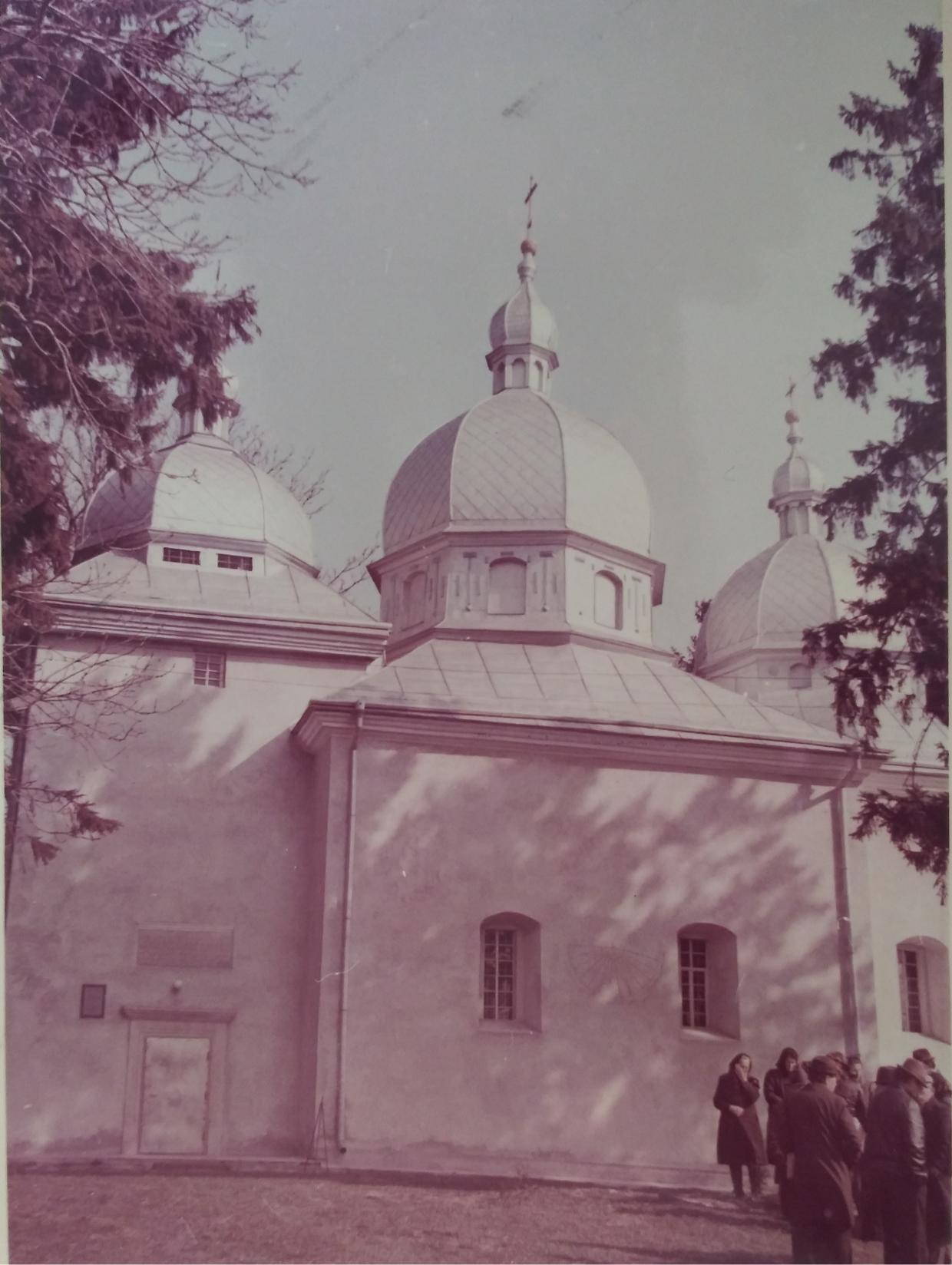
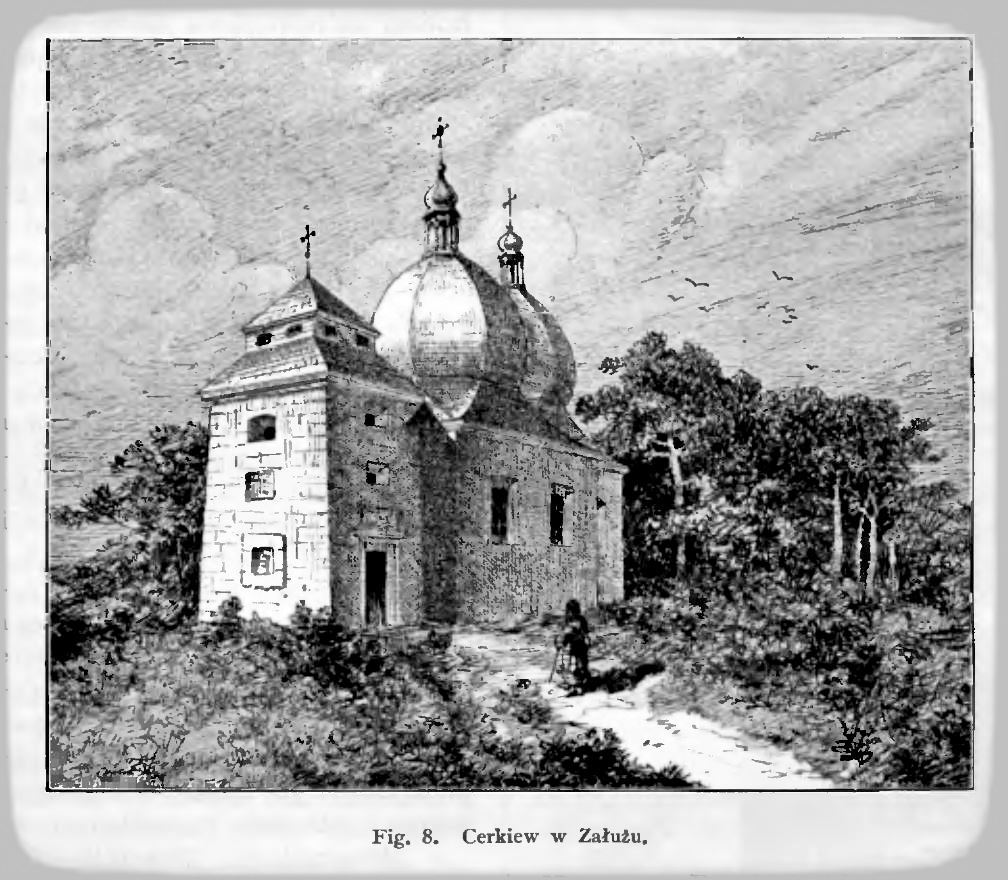
The Church of the Transfiguration of the Lord was erected at the turn of the 16th–17th centuries, as evidenced by the foundation inscription above the entrance:
“In the year 7108 from the creation of the world, and in the year 1600 from the Incarnation of Our Lord Jesus Christ of the Blessed Virgin Mary, on this holy site of an ancient monastery, by the grace of God, to the eternal honor and glory of His holy name, this Church of the Great Savior was built during the reign and prosperous governance of His Grace Janusz Zbaraski, Voivode of Bratslav and Starosta of Kremenets, through the diligence and labor of His Grace’s servant, the humble sinner Gregory Novytsky, at that time Starosta of Zbarazh.”
The Galician Cathedral Chancellor, Fr. Oleksa Hankevych, during his visitation of the churches of the Zbarazh deanery in 1784, described the monastery and noted: “The monastery of Zbarazh. The church under the title of the Transfiguration of Our Lord Jesus Christ in the courtyard of the Reverend Basilian Fathers has since time immemorial been built of stone and vaulted under three domes, covered with shingles…” At that time, the foundation tablet was apparently plastered over. Similarly, in the manuscript “The Book of the History of the Zbarazh Monastery of the Order of St. Basil” (1767), the inscription is also not mentioned.
The visitation and inventory of the church in 1901 describe it as follows:
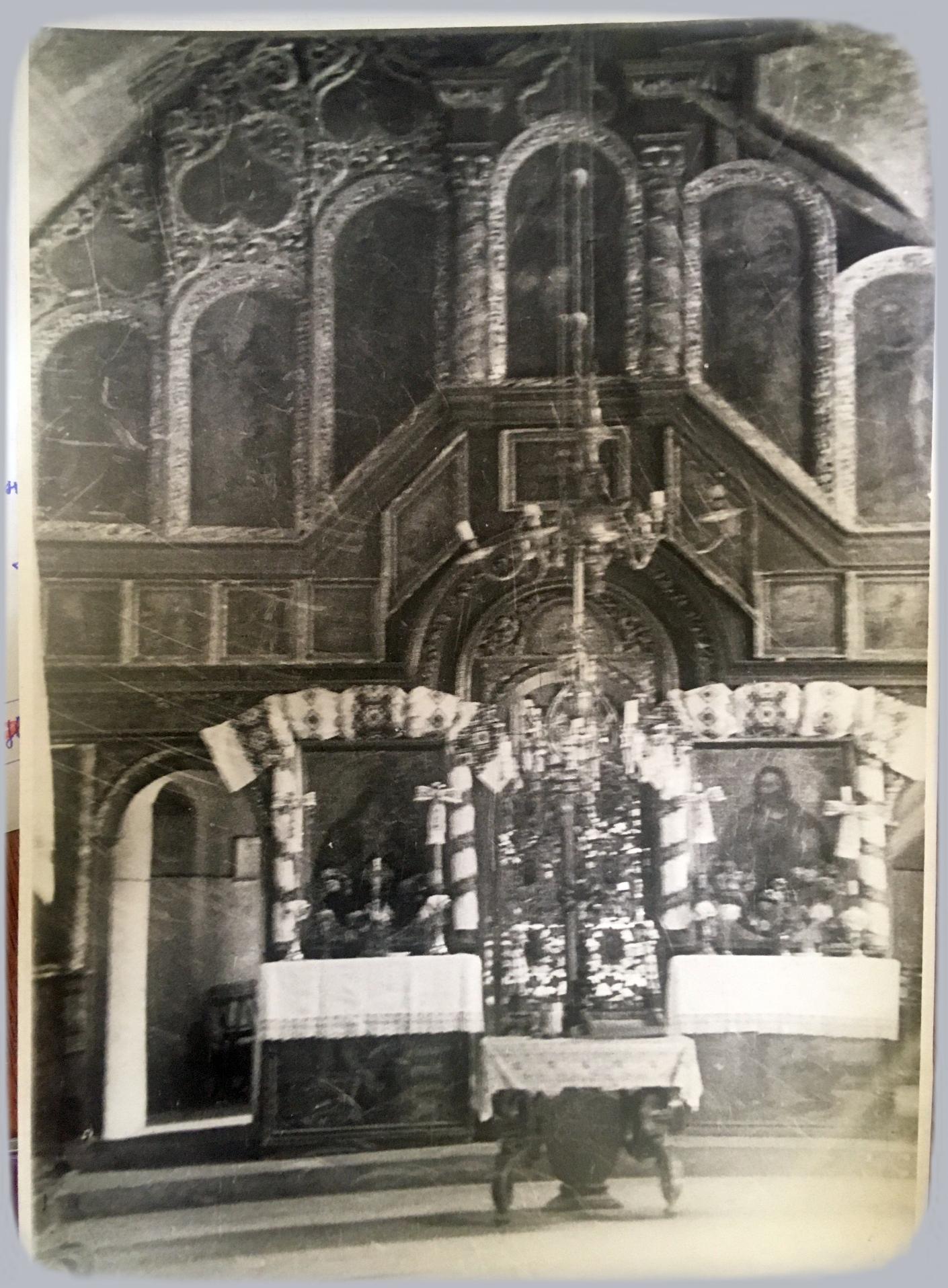
“The Church of St. Onuphrius, built of stone and roofed with sheet metal, formerly belonging to the Basilian Fathers. When exactly it was constructed is unknown. Burned twice by the Tatars, and in 1600, as attested by the tablet, restored by the Bratslav Voivode and Kremenets Starosta, through the efforts of his servant Gregory Novytsky, Starosta of Zbarazh. Until March 1793 it was administered by the Basilians; until 1843 it belonged to the parish of Zbarazh town, and by decree of the Consistory of December 29, 1842, was detached and from January 1, 1843, became an independent chapel in Stary Zbarazh. The church was in good condition, insured by the ‘Dnister’ company; it had two side altars dedicated to St. Onuphrius and St. Nicholas, sufficient liturgical utensils, two chalices, a belfry in good condition with five bells. Services were celebrated on Sundays and feast days, alternately Divine Liturgy and Vespers… No wonder-working icon present; indulgences granted on the feasts of St. Onuphrius and the Transfiguration (decree of October 4, 1845). Parishioners: 840 Greek Catholics, 450 Roman Catholics, 20 Jews. A two-class, four-grade school with two teachers functioned here; instruction for Ukrainians was in Cyrillic, for Latins – in Polish. A branch of the ‘Prosvita’ society counted 50 members…”
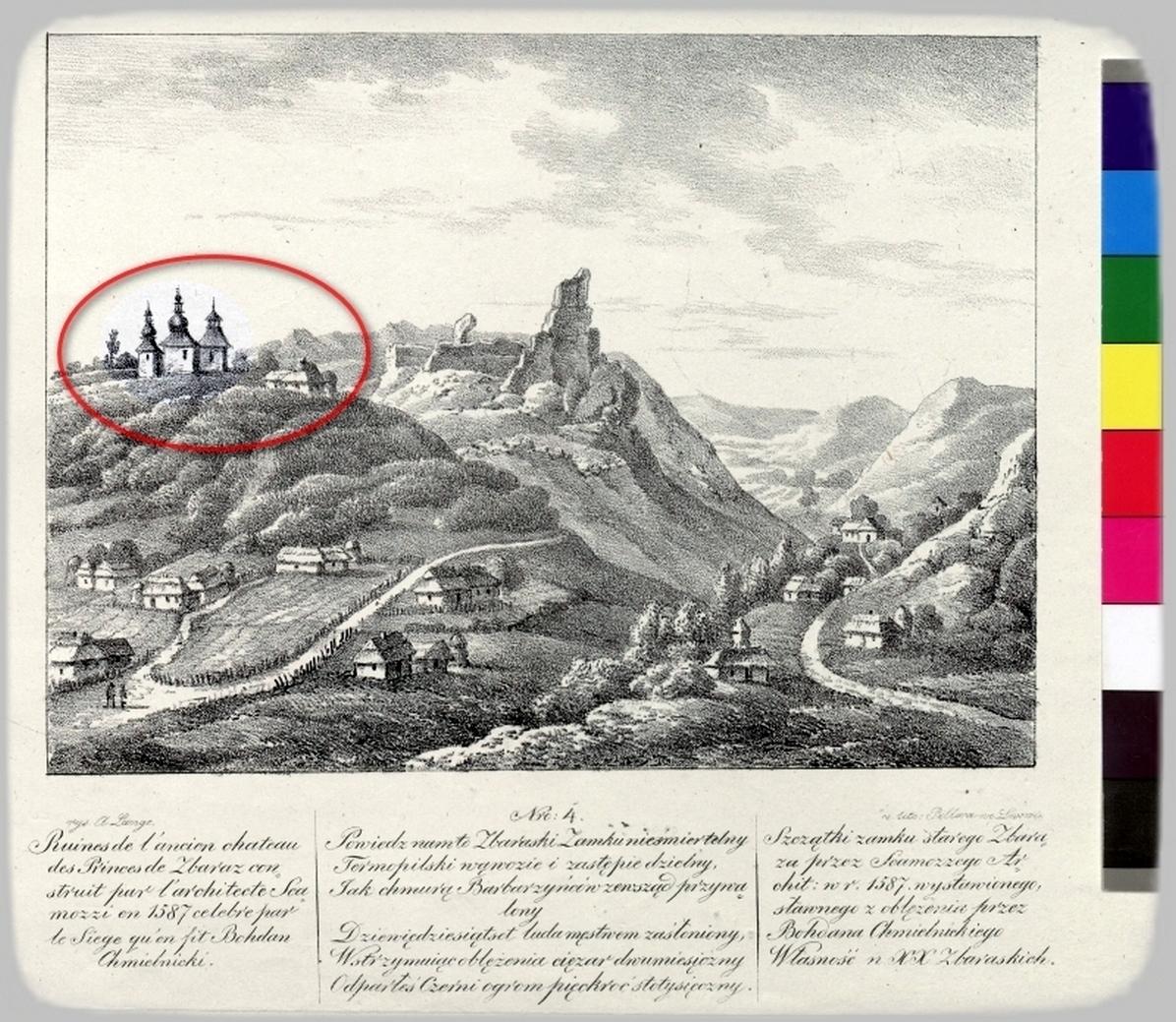
The first, evidently monastic church was dedicated to St. Onuphrius. In 1600 it was “restored” (rebuilt in stone and brick).
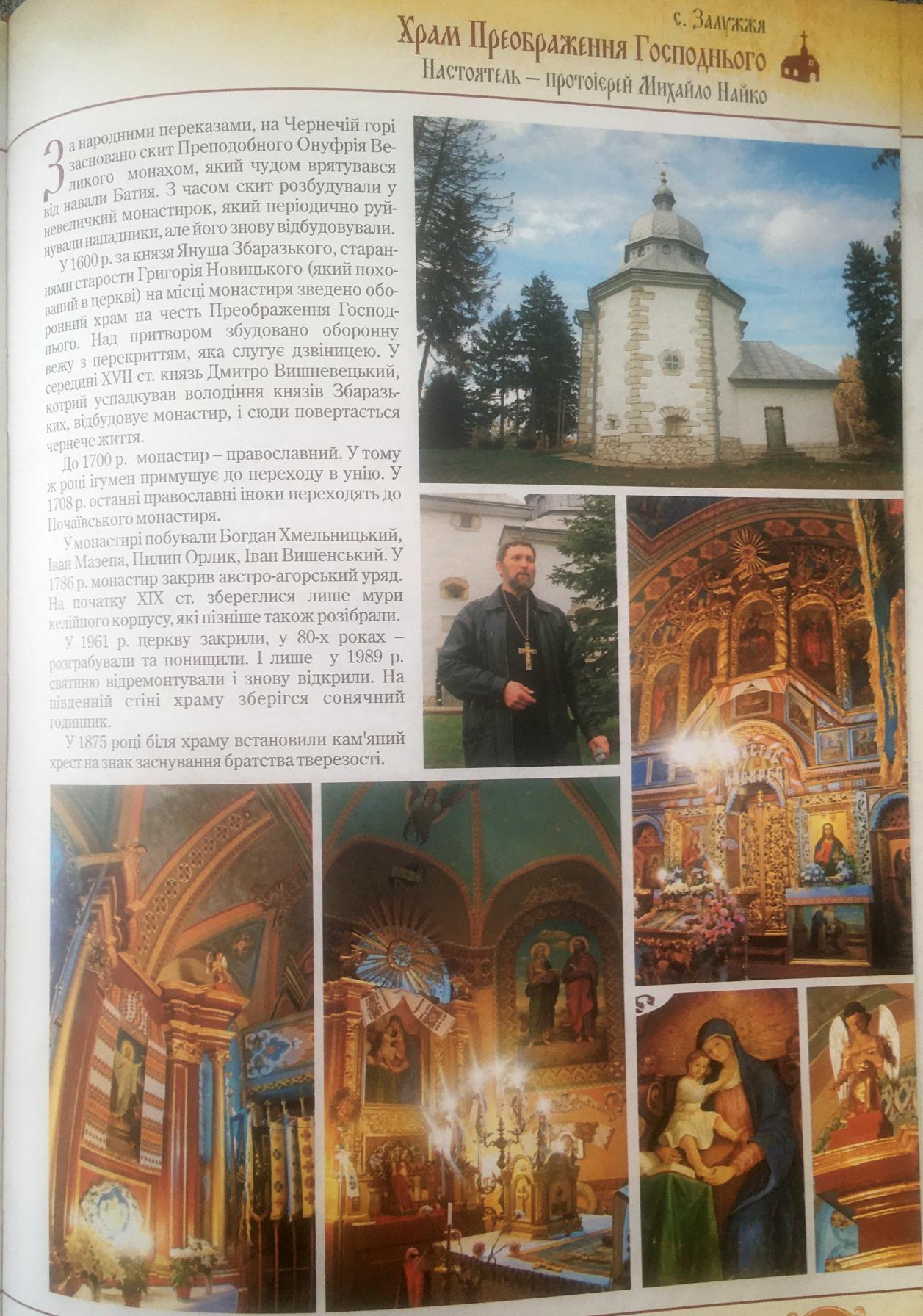
Throughout its history, the church endured the turbulent times of the Khmelnytsky Uprising (1648–1651) and the Turkish invasion of Ibrahim Pasha (1675). In 1700, the monastery and church were united with Rome by decree of Józef Potocki. On July 3, 1754, Stanisław Potocki, Voivode of Poznań, endowed the monastery with farmland, meadows, orchards, and an annual payment of 400 Polish zlotys, obliging six monks to celebrate weekly liturgies for his family. In 1766, Mykola Potocki provided 50,000 zlotys for theological education in the Ruthenian language, requiring regular services and prayers for his parents and himself. Later, Józef Potocki also provided land for the monastery.
In 1771, the monastery burned down but was quickly rebuilt, and by 1776 theological studies were restored. However, by imperial decree of Joseph II, the Basilian Monastery of Zbarazh was dissolved on August 8, 1787. On April 1, 1788, Johann Weller, a townsman, purchased the monastery buildings, dismantled them, and used the stone for a manor in Mala Zaluzhzhia.
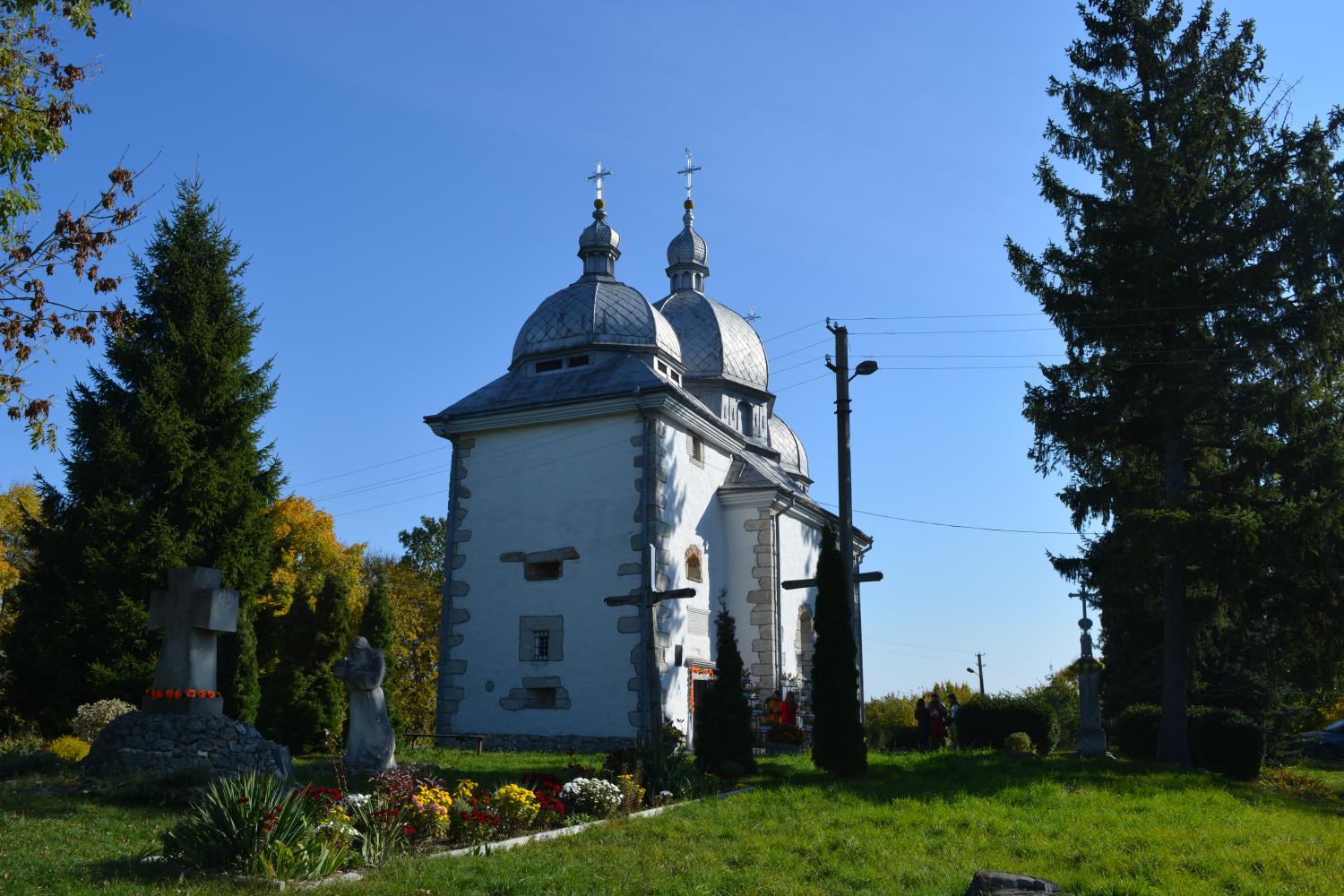
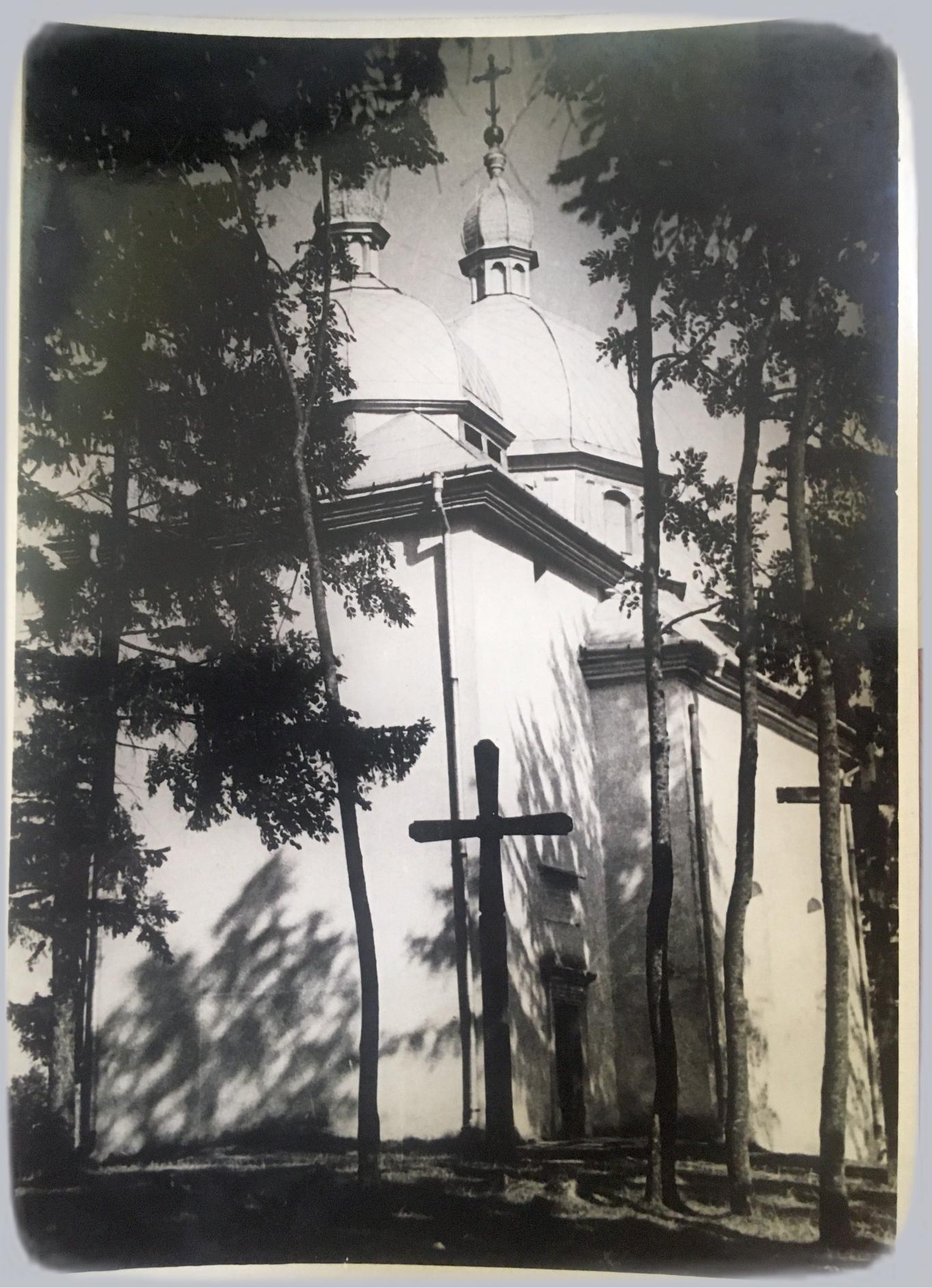
Near the church, several memorial crosses were erected: one in 1848 in memory of freedom, another in 1888 dedicated to the Temperance Movement, and later a wooden cross commemorating the 950th anniversary of the Baptism of Kyivan Rus’ (988–1938). These were replaced in 1990 with new wooden crosses marking the millennium of Christianity in Rus’ (988–1988).
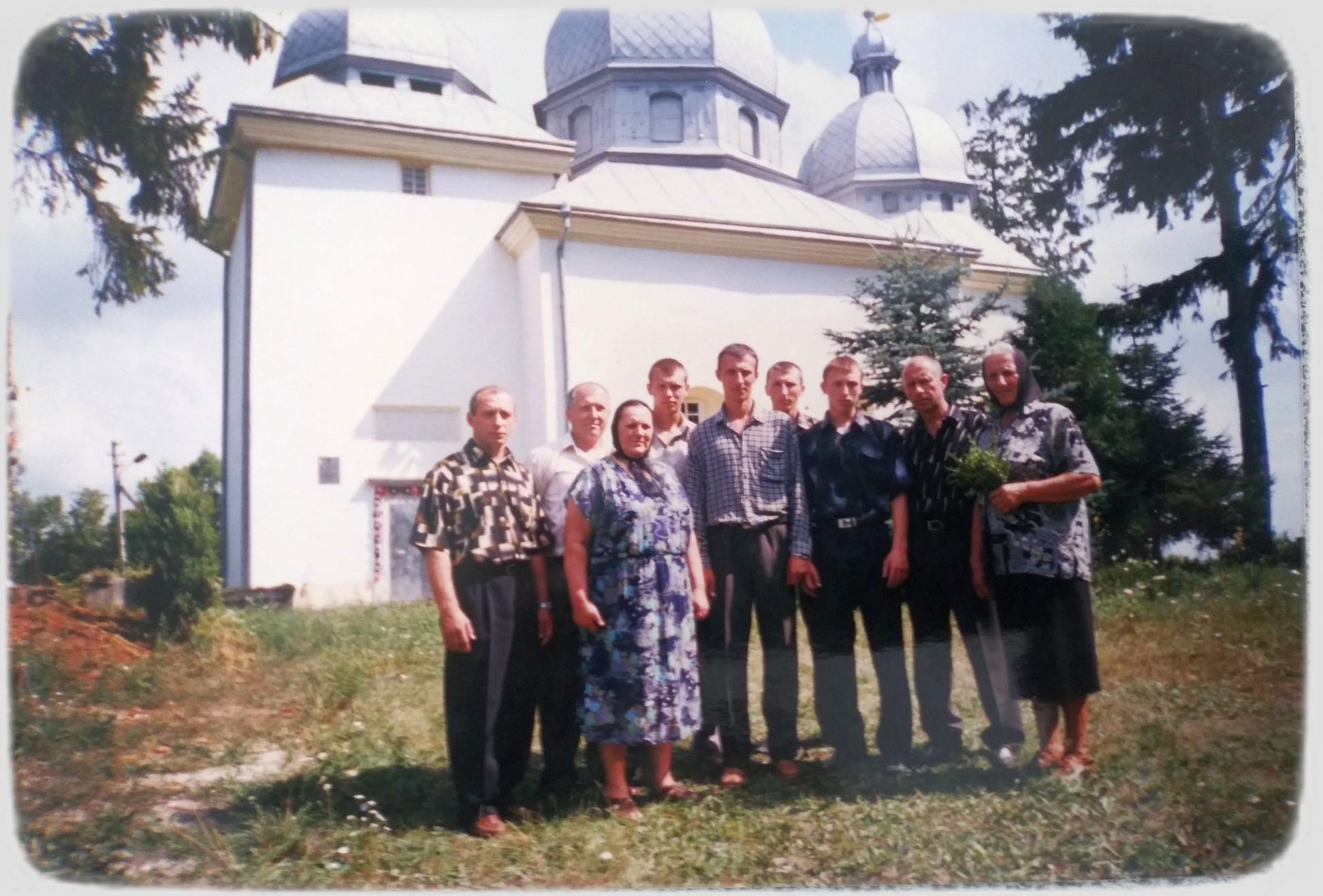
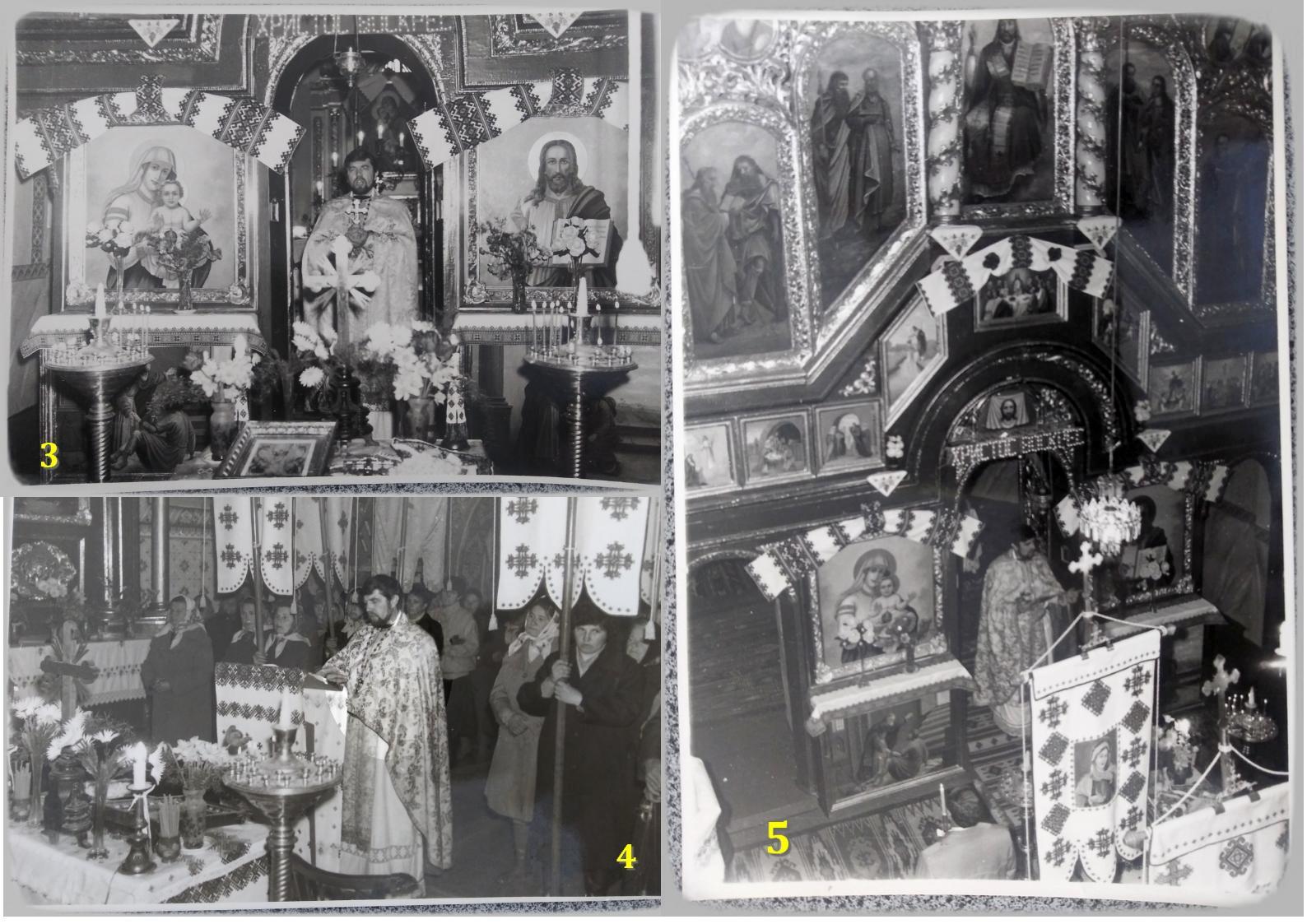
The church was closed in 1961, its sacred items confiscated. Decades of neglect ended with restoration, and on September 17, 1989, the Church of the Transfiguration was reopened and consecrated. Since 1990, the rector has been Archpriest Mykhailo Naiko. In 1991, the parish community was officially registered with the Ukrainian Autocephalous Orthodox Church (now the Orthodox Church of Ukraine). In the churchyard, sculptor Andriy Baranovsky installed a monument symbolizing monastic devotion. In 2002 the building was connected to natural gas, and in 2005 the exterior was restored. Today the church is under the protection of the National Reserve “Castles of Ternopillia.”
Currently, the Church of the Transfiguration of the Lord serves as the parish church of Zaluzhzhia within the Orthodox Church of Ukraine and remains a unique historical and tourist site of the Zbarazh region.
THE WAY OF THE CROSS
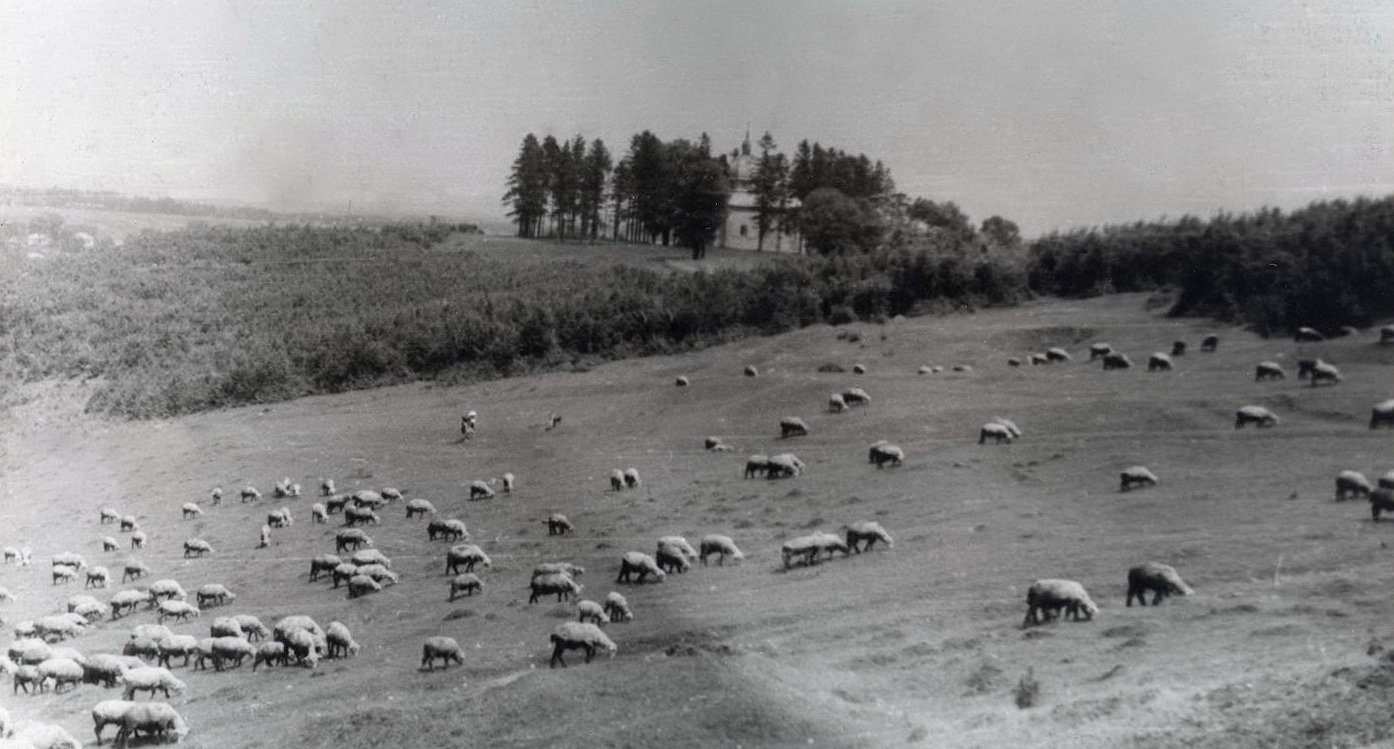
On the steep eastern slope of Monastic Hill, behind the Church of the Transfiguration and leading toward the Zaluzhzhia mill (18th–20th centuries), a large ravine was formed by seasonal streams. It is visible in photographs from the mid-20th century.
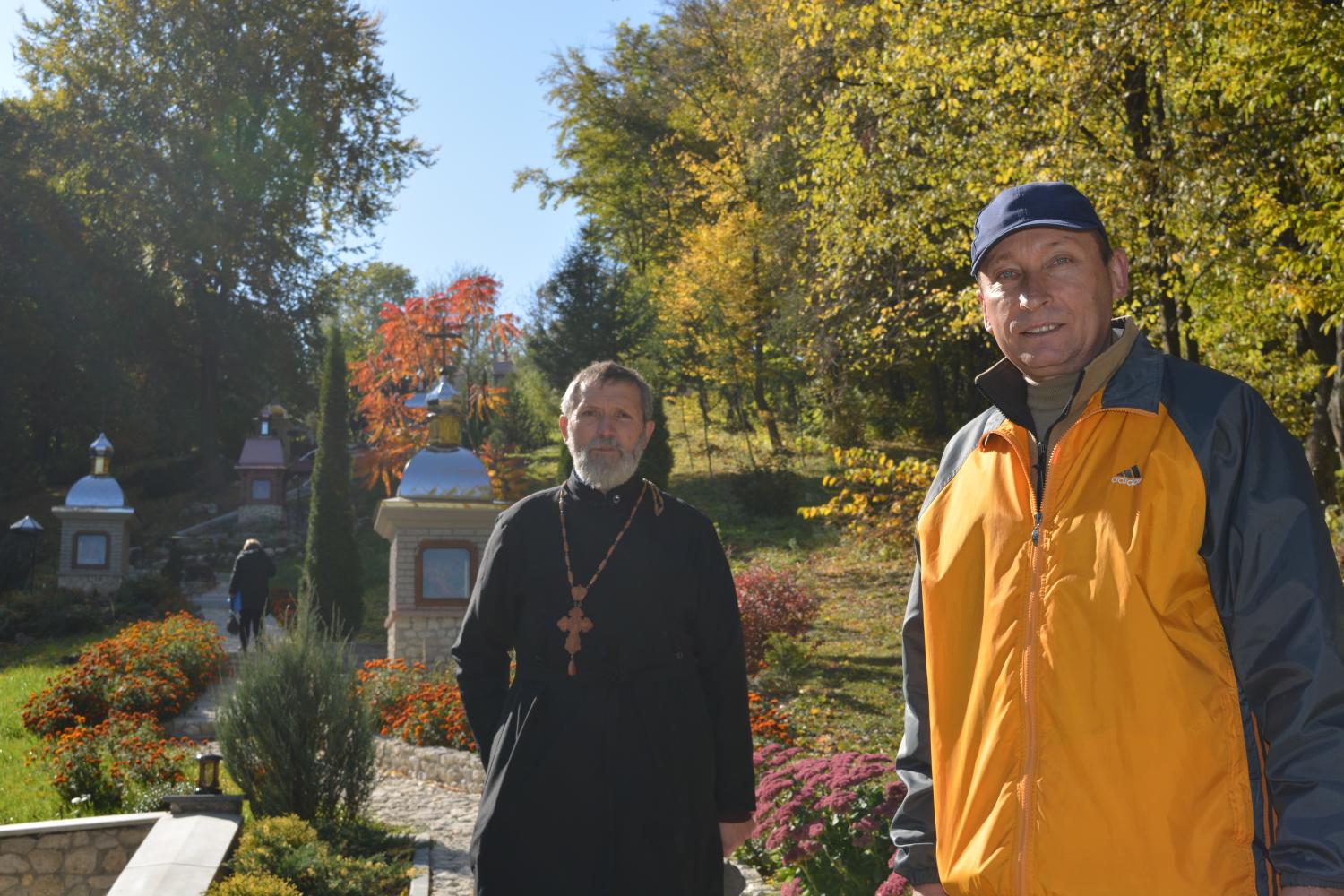
For the 550th anniversary of the first written mention of Zaluzhzhia, parishioners of the church decided to arrange a “Way of the Cross” at this site. At the first station, a model of the wooden Church of St. Michael was erected, transferred by Fr. Mykhailo Naiko from the village of Horynka, with the prospect of placing it near the Transfiguration Church.
Along the slope, 14 stations of the Cross were constructed, each in the form of a small chapel containing an icon painted by artist Yaroslav Kruk of Berezhany. The wooden and metal roofing works were completed by craftsmen from the village of Kobylla. At the end of the path, a scaled reconstruction of the former Transfiguration Monastery and church was built.
The Way of the Cross was solemnly consecrated on June 25, 2013, during the feast of St. Onuphrius, by Archbishop Nestor of Ternopil and Kremenets.
Today, this sacred site is not only of great religious significance but is also highly popular among domestic and international tourists.