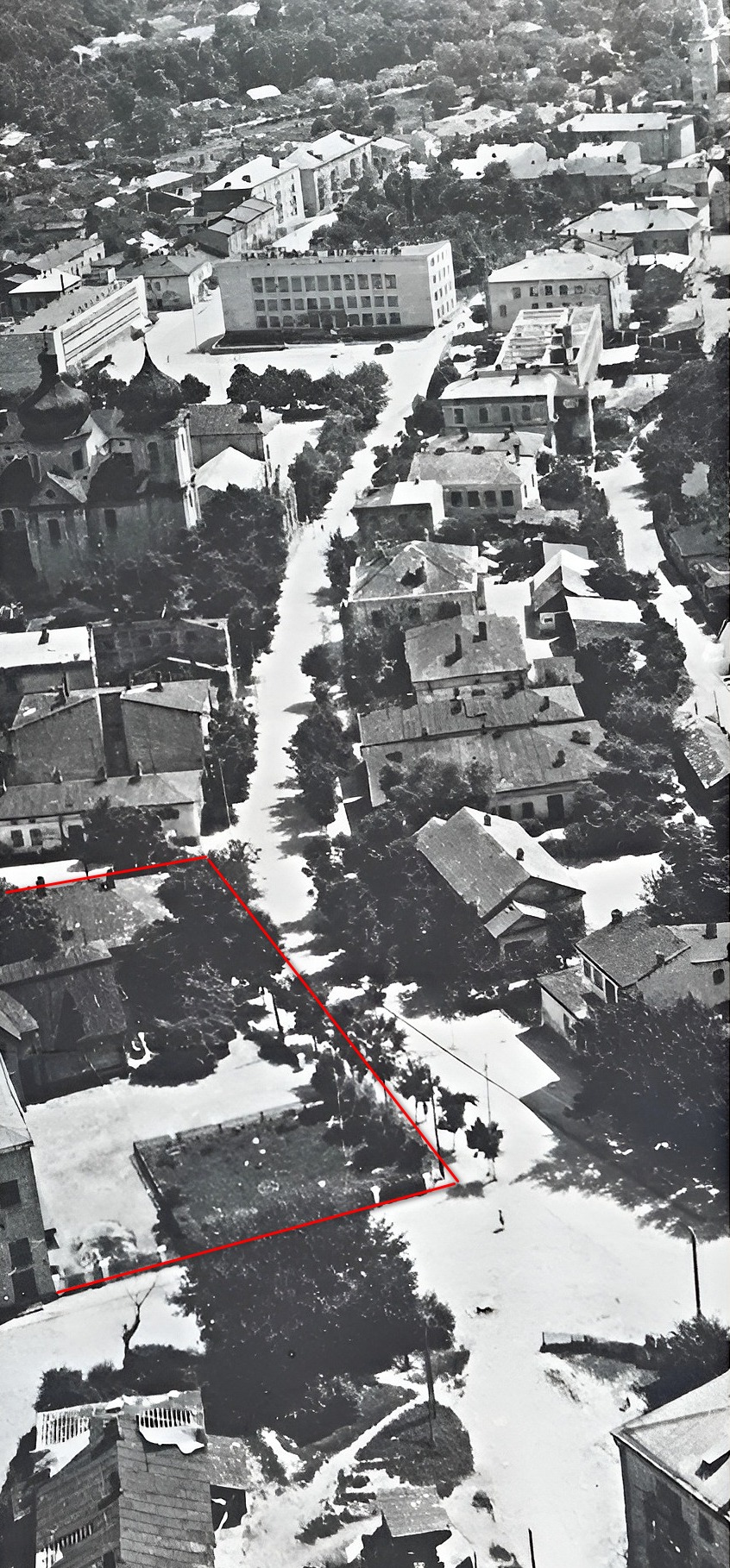
On the northern outskirts of Zbarazh, during the 17th–18th centuries, within the city’s defensive fortifications, stood the so-called “Zalozetska Gate.” This gate, named after the road that connected the two towns owned by Prince Dmytro-Yuriy Vyshnevetskyi, served as an important entrance. Beyond the gate, at the beginning of the 19th century, three cemeteries were located outside the city limits – a Jewish kirkut, and Roman and Greek Catholic cemeteries.
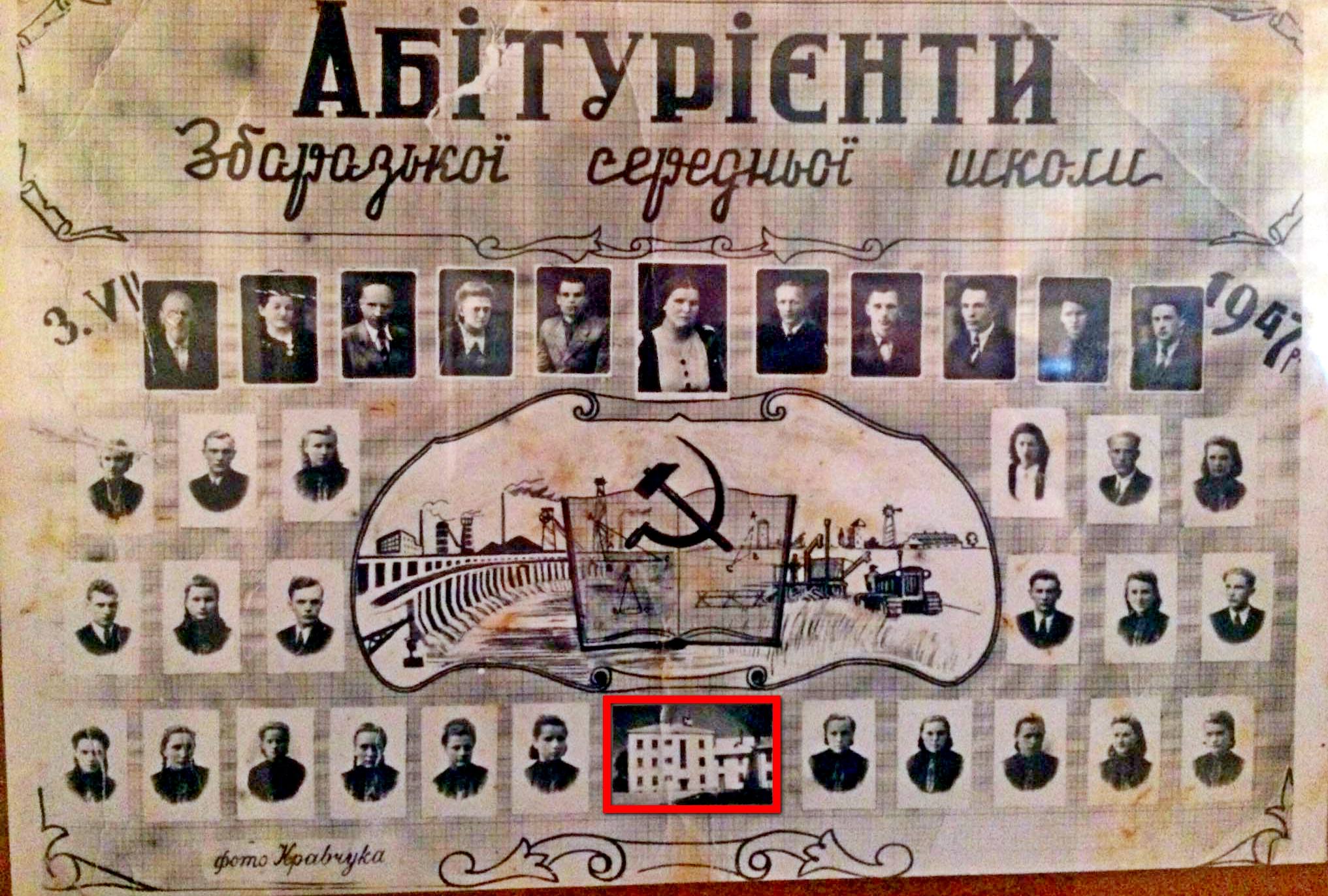
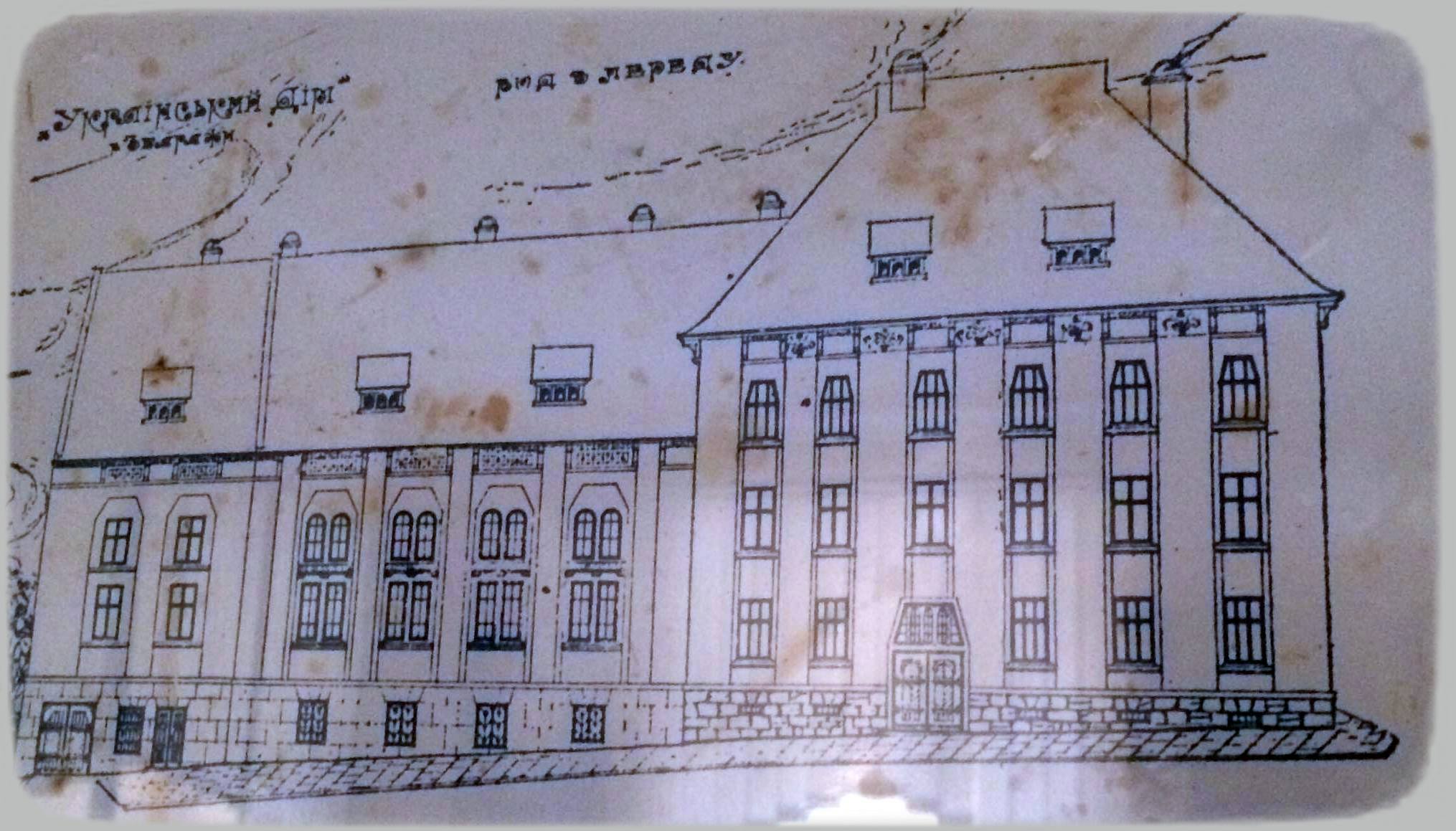
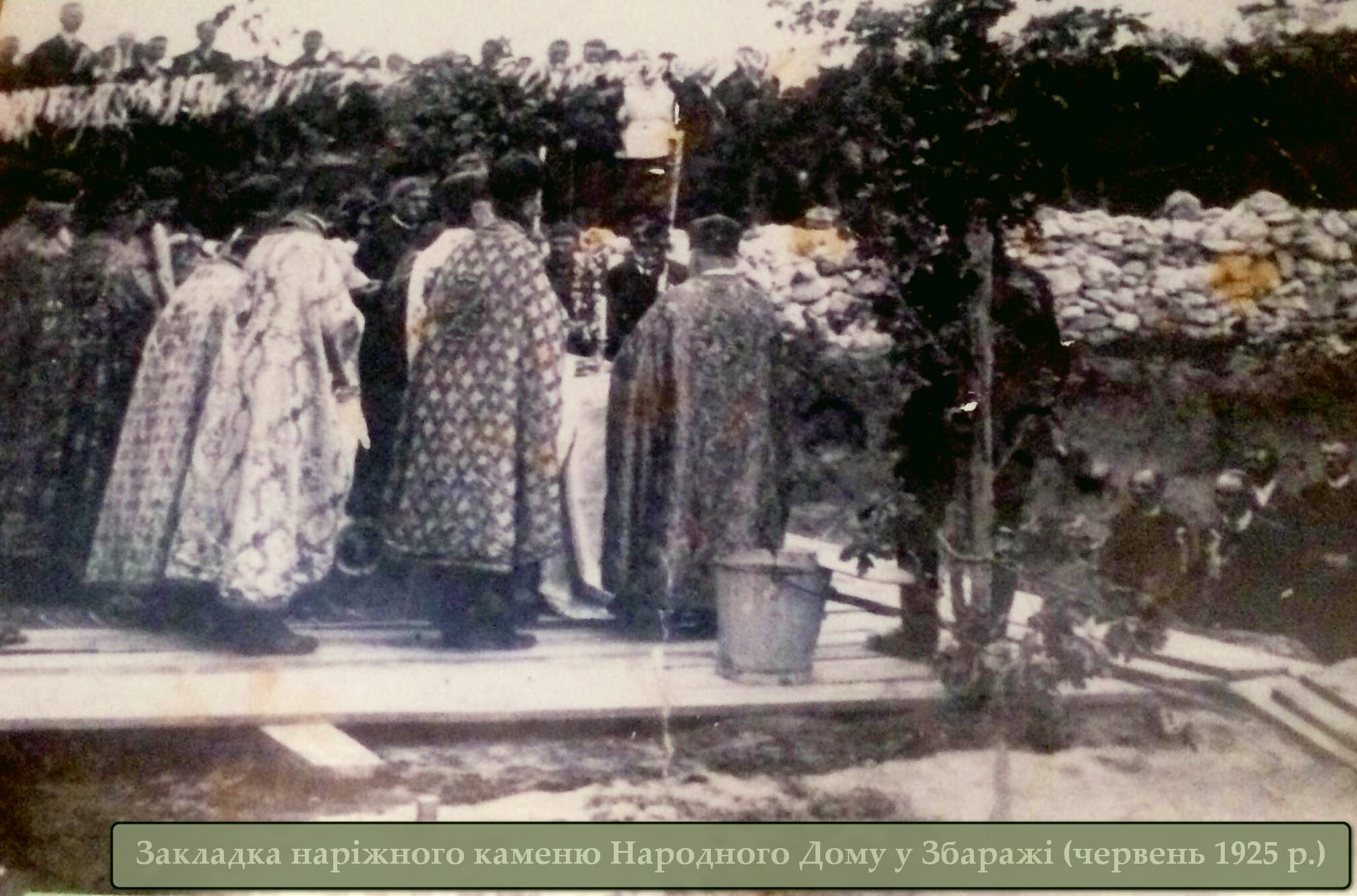
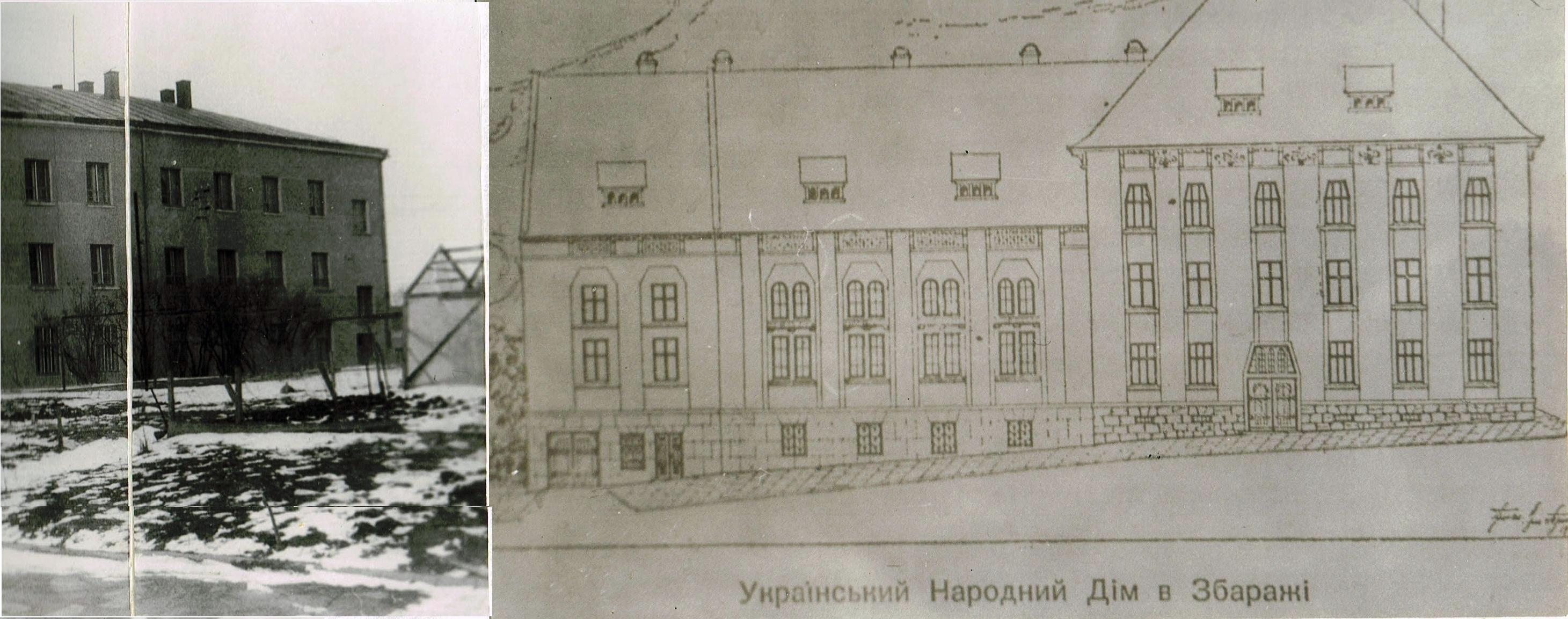
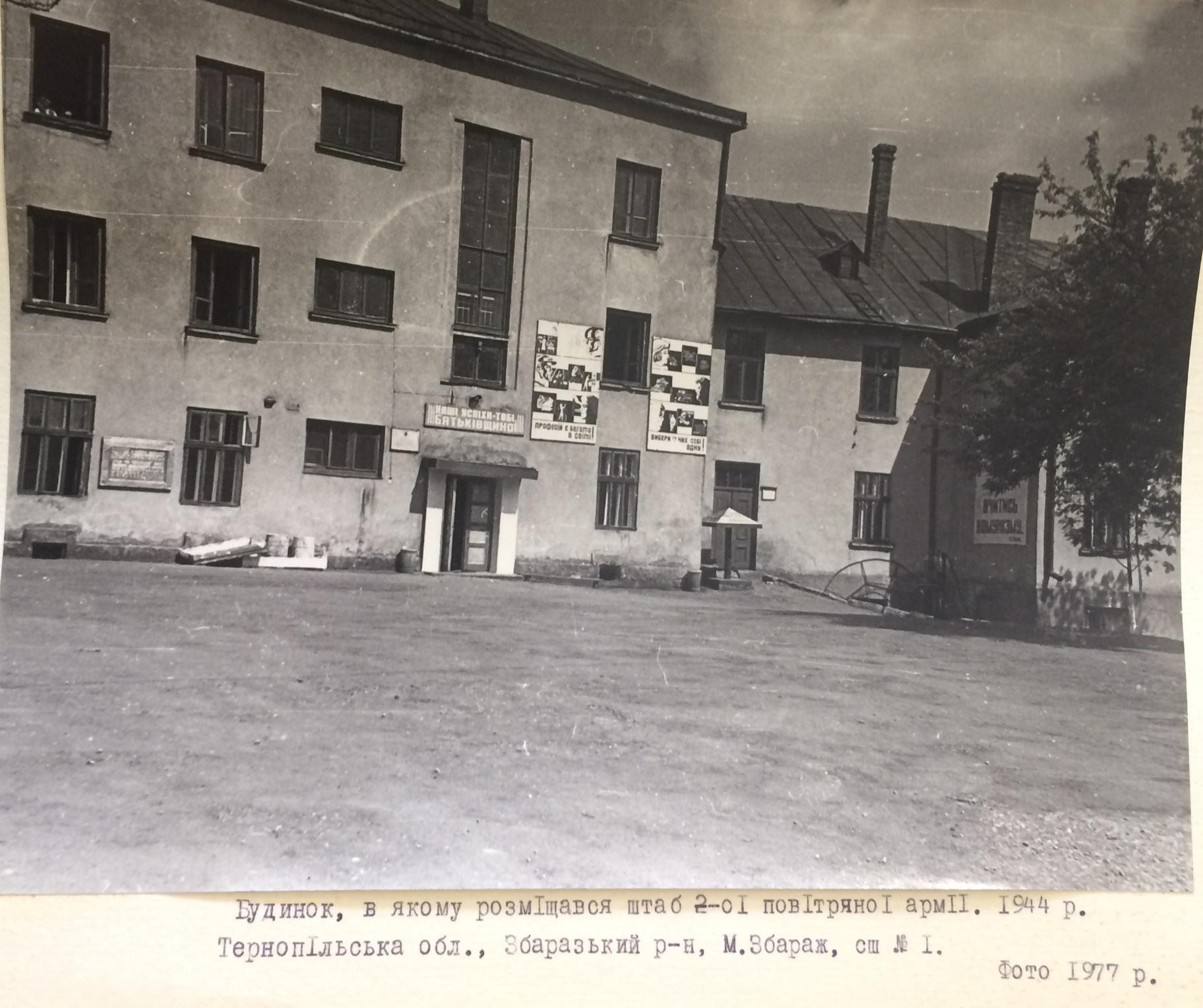
Near this gate, in 1909, a patriotic peasant from the village of Krasnosiltsi, Ivan Televyak, purchased a plot of land. He generously donated a significant portion of his income (16,000 crowns) to fund the construction of a Private Ukrainian Gymnasium. Later, in 1925, thanks to donations from the Zbarazh community in the United States, construction began on the Ukrainian People’s House, which continued until 1935. Today, this building serves as one of the campuses of Zbarazh Lyceum No. 1.
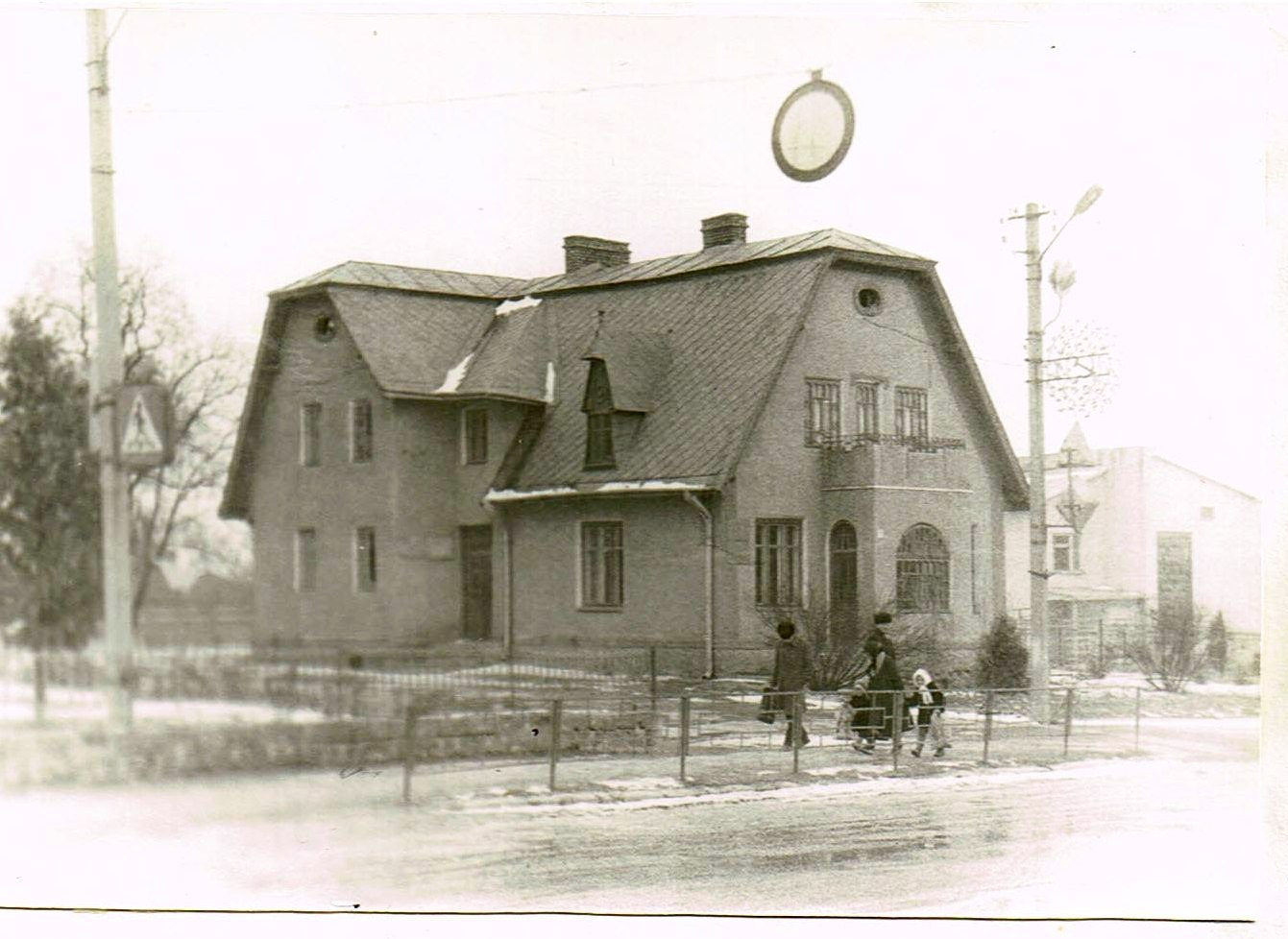
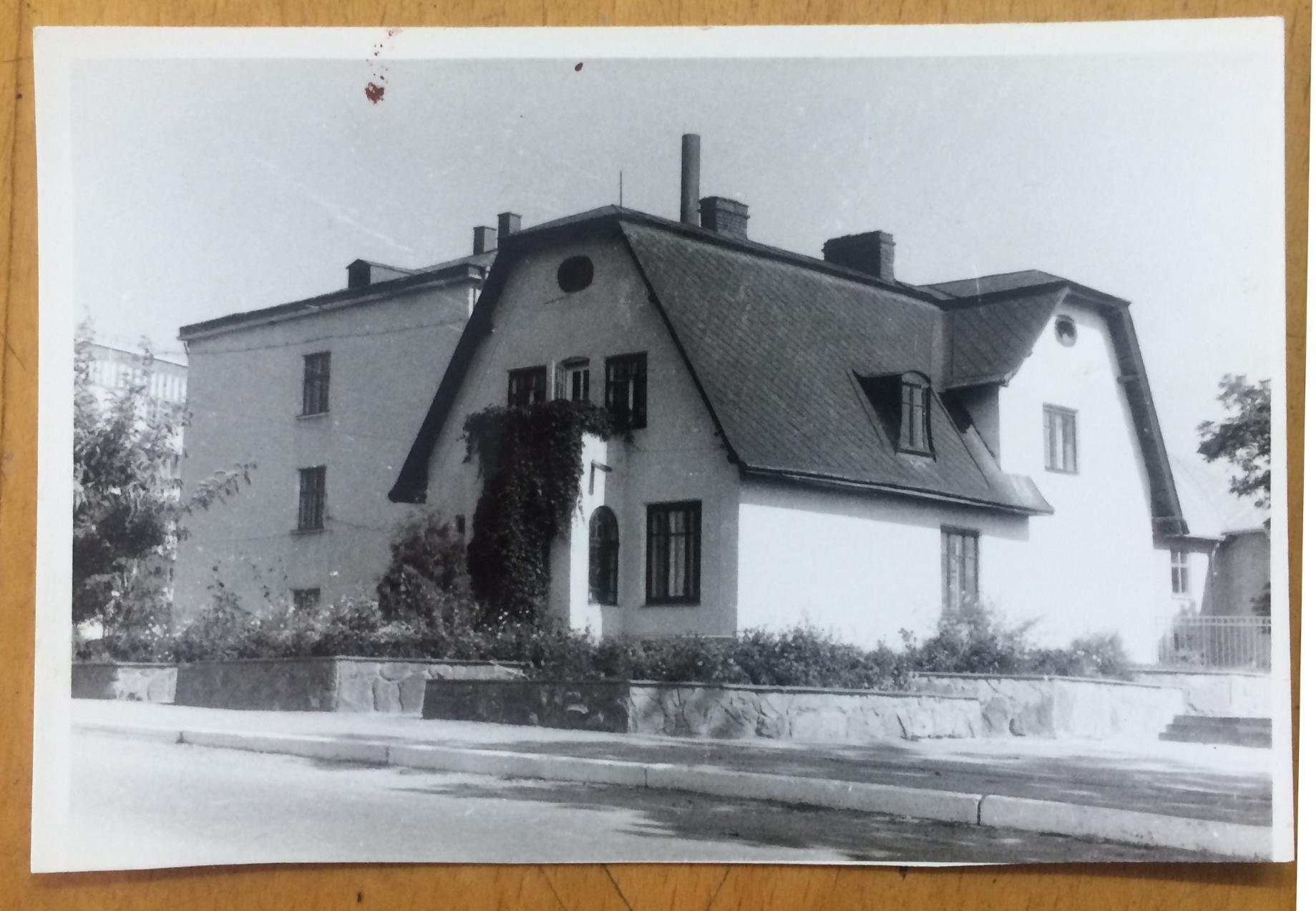
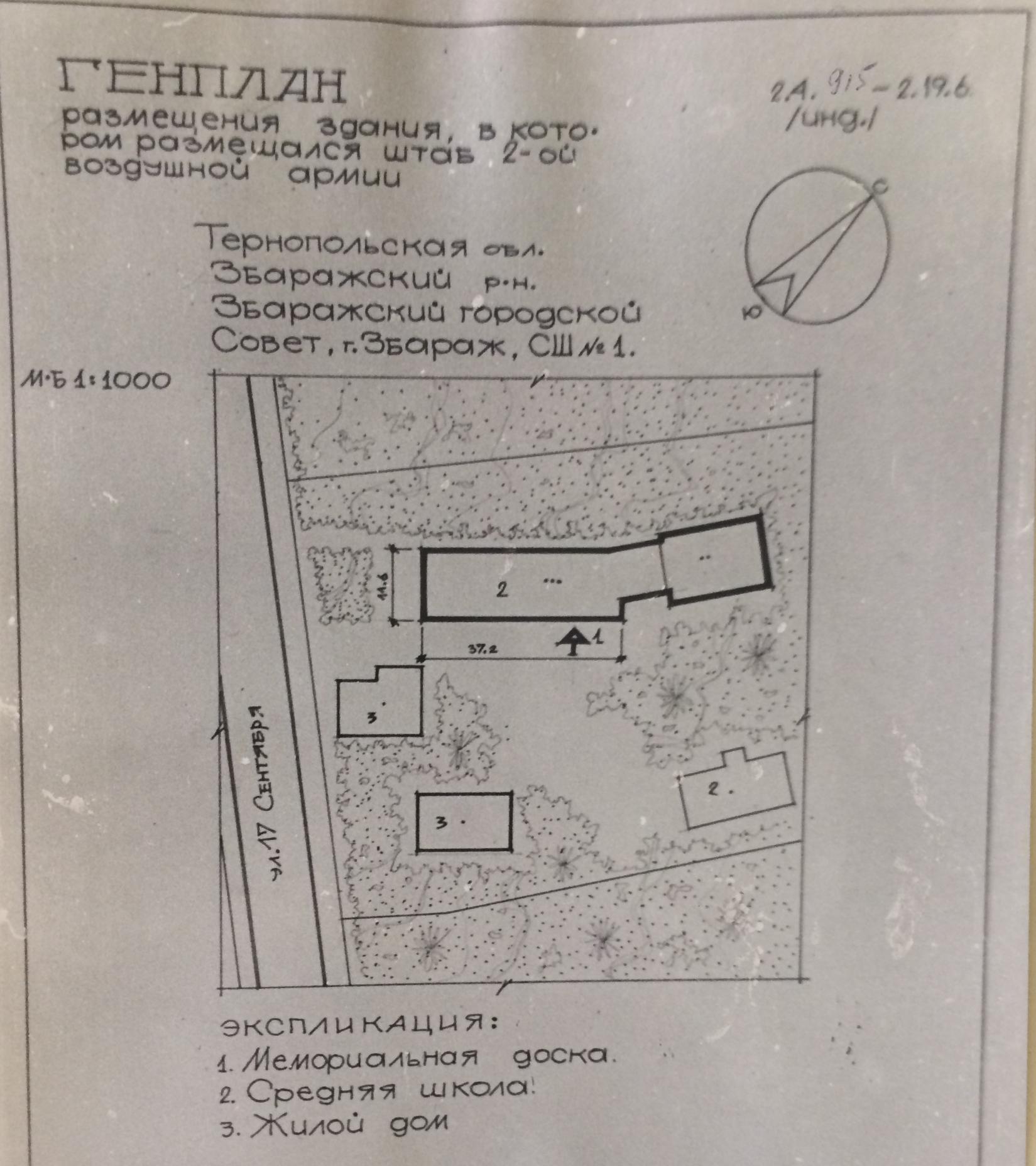
In the same district, in the late 19th century, Zbarazh’s veterinary doctor, Nisson Speser, lived and worked. As was customary at the time, private clinics operated on the ground floor, while the doctor’s residence was located above. Speser’s residence, designed in the Art Nouveau style (according to researcher Yuriy Verbovetskyi), was no exception. After World War II, the building served various purposes, including as a residential house, the district architecture department, and the district education office. Today, it houses the Museum of the Russo-Ukrainian War.
Nearby, closer to the city center at the intersection of Mykhailo Hrushevsky and Olha Kobylianska Streets — where until the 1980s stood the dormitory (bursa) of the former gymnasium, later Zbarazh Secondary School No. 1 and the “School for Working Youth” — a monument was unveiled on July 9, 1995. It was a bust honoring Zbarazh native and UPA (Ukrainian Insurgent Army) Colonel Dmytro Klyachkivskyi, also known as “Klym Savur.” The monument was created by sculptor Volodymyr Melnyk and architect Vasyl Skochylas. The pedestal bears the inscription under the Tryzub (Ukrainian coat of arms):
“Dmytro Klyachkivskyi”,
“Commander of UPA-North”,
“Klym Savur”,
with the years: 1911–1945.
On July 12, 2019, next to the bust of Klyachkivskyi, a monument was unveiled at the initiative of the NGO “Nasha Hromadska Sprava” to honor the Heavenly Hundred Heroes — Ustym Holodniuk and Nazarii Voitovych, residents of the Zbarazh region and the youngest among those who died during the Revolution of Dignity on the Maidan.
The sculptural composition, set against a carved stone stele, features life-sized statues of Ustym Holodniuk holding a blue helmet in his right hand and a shield in his left. Beside him stands the figure of Nazarii Voitovych. The base is adorned with black marble tiles, and on the front are two stainless steel plaques inscribed with:
“Heroes of the Heavenly Hundred — Ustym Holodniuk, Nazarii Voitovych”
and below that:
“It’s not enough to say — they fell.
It’s not enough to say — they won’t return.
They gave you and me
The beat of their own hearts.”
The author of the monument was Lviv sculptor Taras Korol.
Over time, the area where these monuments stand became officially known as “Heroes’ Square”.